
Udaipur looks compact when you first open the map. The sightseeing list is not.
There are palaces around Lake Pichola, gardens towards Fateh Sagar, viewpoints on the hills and day trips that take you well outside the city. Trying to squeeze every famous name into one visit usually means spending too much time moving between them.
This guide sorts the main Udaipur tourist places by area and tells you which places to visit in Udaipur deserve priority, how long they need, when to go and how to fit them together without turning the trip into a checklist.
If this is your first visit, start with:
City Palace → Lake Pichola → Jagdish Temple → Bagore Ki Haveli → Monsoon Palace
Do City Palace in the morning. Keep Lake Pichola for late afternoon. If you want to watch the Dharohar folk show at Bagore Ki Haveli, the current show timing is 7:00 PM to 8:00 PM.
Those five cover the strongest first-time experiences without making the day feel rushed.
These are the famous tourist places in Udaipur I would prioritise for a first trip.
If you only have time for the top 5 places to visit in Udaipur, choose the first five. You will see less, but the trip will feel better.
If you prefer comparing ready-made routes, stays and sightseeing plans, EaseTrippers lets you compare Udaipur tour packages offered by verified local travel agents.
This Udaipur places to visit list is arranged to help with planning, not only popularity.
| Place | Area | Best for | Time needed | Best time |
|---|---|---|---|---|
| City Palace | Old City | History, first-time visitors | 2–3 hrs | Morning |
| Lake Pichola | Old City | Couples, families, photography | 1 hr | Late afternoon |
| Jagdish Temple | Old City | Architecture, temples | 20–30 min | Morning |
| Bagore Ki Haveli | Gangaur Ghat | Culture, families | 1–1.5 hrs | Evening |
| Gangaur Ghat | Old City | Walking, photos | 20–30 min | Morning/evening |
| Ambrai Ghat | Pichola side | Views, couples | 30–60 min | Sunset |
| Fateh Sagar Lake | North Udaipur | Families, evenings | 45–60 min | Evening |
| Saheliyon Ki Bari | Near Fateh Sagar | Families, seniors | 30–60 min | Morning |
| Monsoon Palace | Sajjangarh | Views, sunset | 1.5–2 hrs | Late afternoon |
| Karni Mata Ropeway | Doodh Talai | Views, families | 1–1.5 hrs | Late afternoon |
| Vintage Car Museum | City | Car lovers, families | About 1 hr | Afternoon |
| Ahar Cenotaphs | Ahar | History, photography | 30–60 min | Morning |
| Eklingji & Nagda | North of Udaipur | Temples, architecture | Half day | Morning |
| Kumbhalgarh | Outside Udaipur | Forts, history | Full day | Early start |
| Ranakpur | Outside Udaipur | Architecture, temples | Full day | Early start |
Fees and operating hours can change. For boating, ropeways and privately managed attractions, confirm the latest details before building the day around a fixed time.
The easiest way to save time in Udaipur is to keep the Old City together.
City Palace, Jagdish Temple, Gangaur Ghat and Bagore Ki Haveli sit close enough that repeatedly calling a cab between them adds little value.
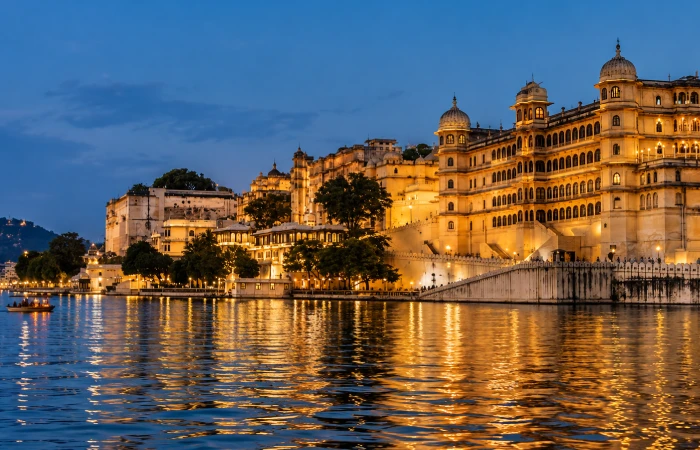
If you are choosing one major heritage attraction, choose City Palace.
The complex combines courtyards, rooms, balconies, galleries and museum spaces overlooking Lake Pichola. It is large enough that rushing through it in an hour does not make much sense.
Local take: The best part is not one particular room. It is suddenly finding Lake Pichola framed between an old doorway or balcony while walking through the palace.
The museum currently lists visiting hours from 9:00 AM to 9:00 PM. Ticket rates change, so check the latest rate before visiting rather than relying on an old price online.

Lake Pichola looks good from the shore. From the water, the city makes a lot more sense.
A boat ride opens up views of City Palace, Jag Mandir and the buildings running along the lakefront.
Local take: Go when the sun starts dropping. The yellow stone around the lake softens, the water catches the light and the whole city seems quieter from the middle of the lake.
Boat fares vary by operator, route and boarding point.

Jagdish Temple sits close to City Palace, so it fits naturally into an Old City walk.
The temple is known for its carved stonework and elevated entrance.
Local take: Stand at the bottom for a moment before climbing. The temple rising above the busy lane is one of those scenes where old Udaipur and everyday Udaipur exist in the same frame.
Current visiting windows are 4:30 AM to 1:00 PM and 5:00 PM to 8:00 PM.
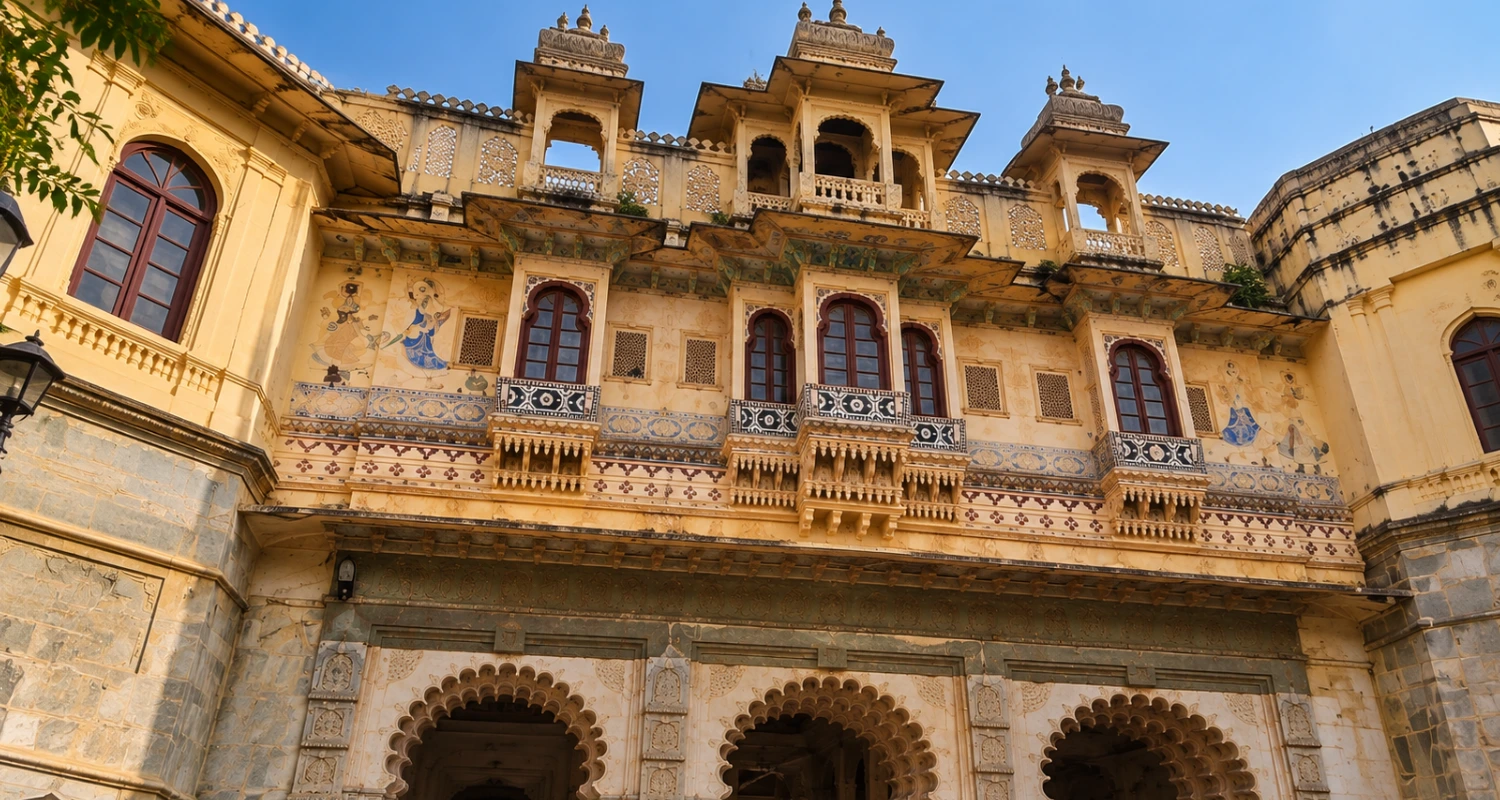
Bagore Ki Haveli is worth separating into two experiences: the haveli itself and the Dharohar folk show in the evening.
If your time is limited, the performance is usually the part people remember.
Local take: The setting makes the show. Folk music and dance inside an old haveli feel completely different from watching the same performance on a modern stage.
The Dharohar show currently runs from 7:00 PM to 8:00 PM. Current listed ticket prices are ₹125 for Indian visitors and ₹250 for foreign visitors.
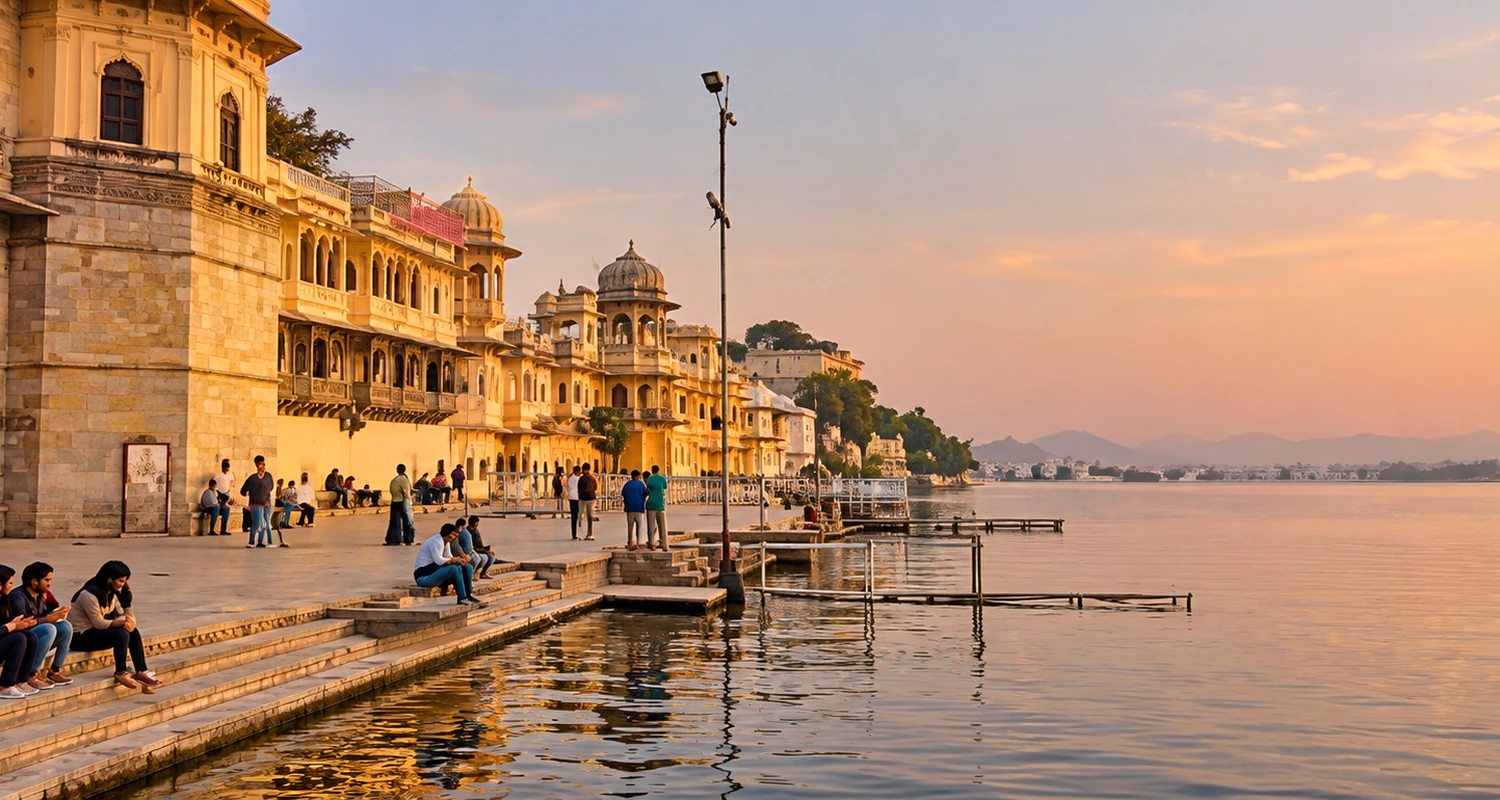
Gangaur Ghat does not need a formal sightseeing slot.
Walk down after exploring the Old City, find a place by the water and stay for a while.
Local take: Its beauty is in how ordinary it feels. People sit by the lake, pigeons crowd the steps and the palaces across the water quietly form the background.

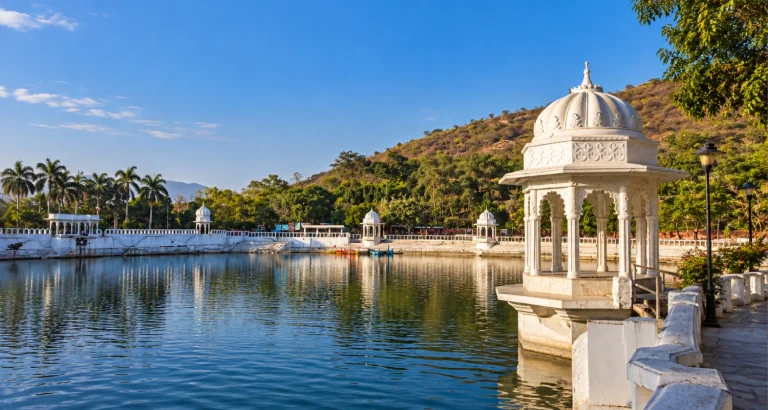
Ambrai is mainly about what lies across the water.
From here, you see Lake Pichola with City Palace stretching along the opposite bank.
Local take: Daylight gives you the palace. After dark, you get its reflection. Stay for both.
Keep these together as a separate half-day rather than jumping back and forth from the Old City.
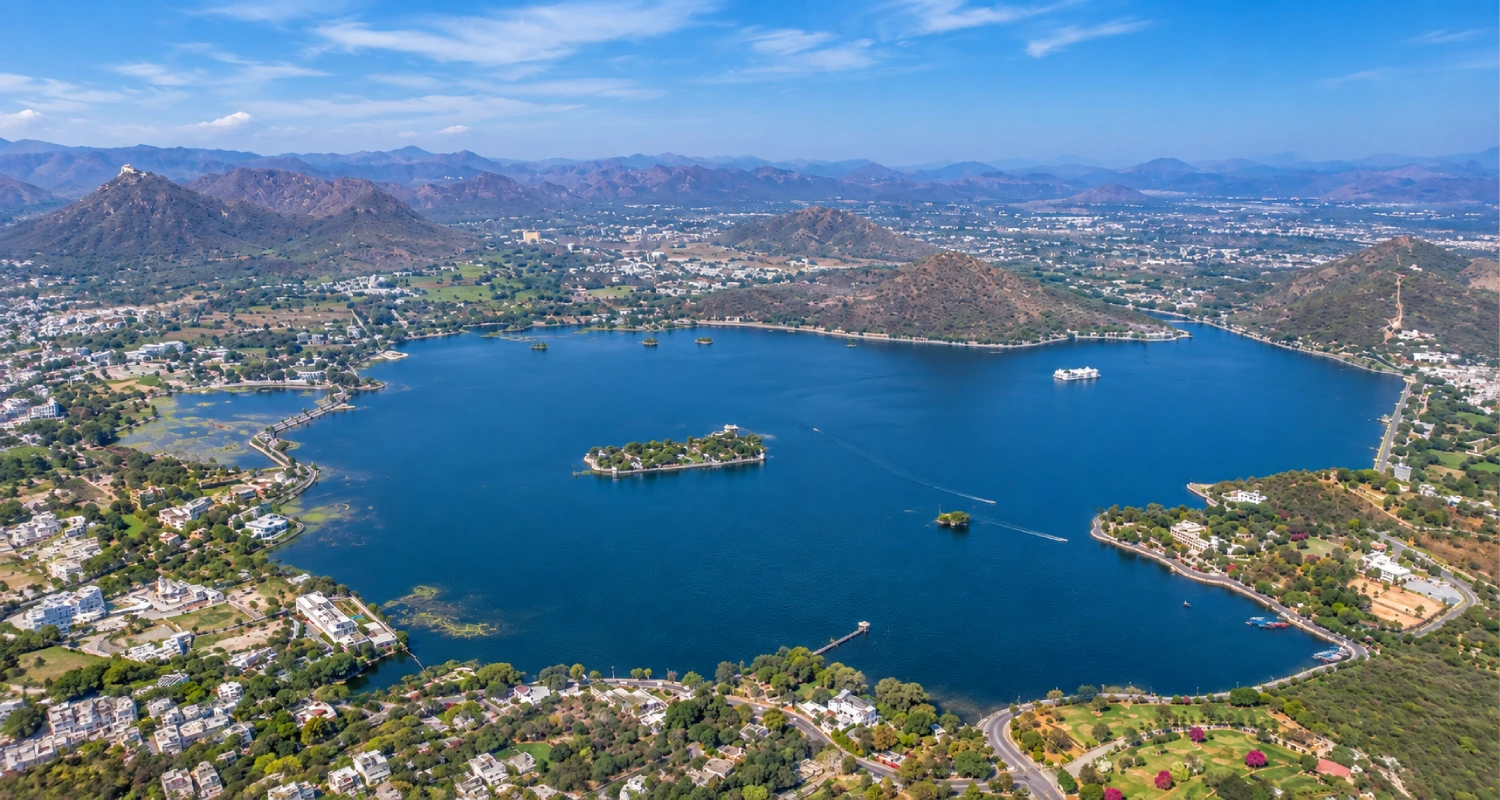
Fateh Sagar works better as an evening than as something to tick off a sightseeing list.
The lake has three islands. The largest is Nehru Island, while another houses the Udaipur Solar Observatory.
Local take: Fateh Sagar is where you stop sightseeing for a while. Walk along the edge, get something to eat and watch the hills darken around the lake.

Saheliyon Ki Bari is a compact garden filled with fountains, pools and marble features.
It gives you a quieter break after the heavier palace-and-fort sightseeing.
Local take: The charm here is in the sound of water. After a few hours in Udaipur’s busy lanes, the fountains and shade make the garden feel noticeably cooler and slower.
The garden currently operates from 9:00 AM to 7:00 PM.
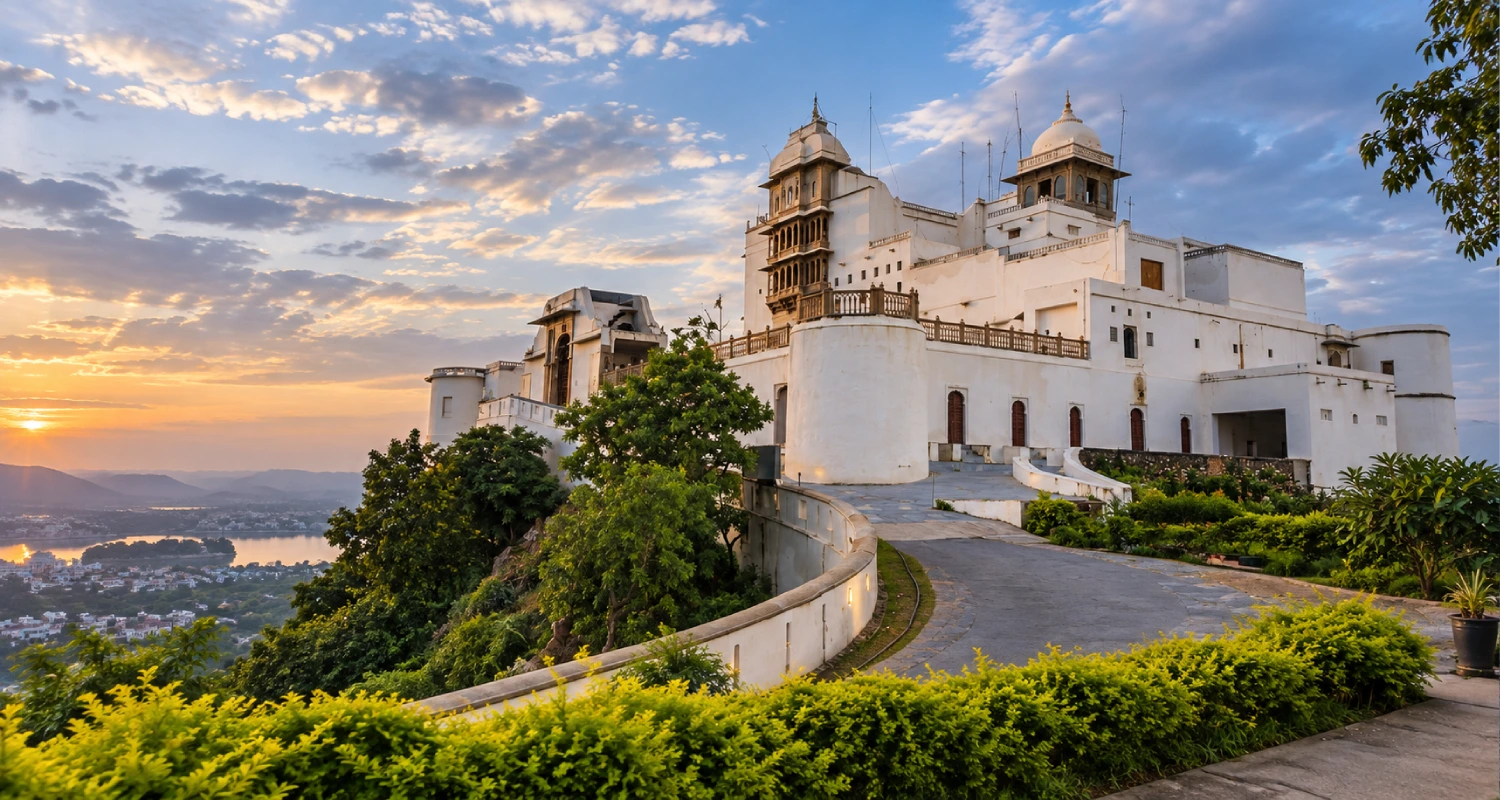
Sajjangarh, or Monsoon Palace, is more about where it sits than what is inside it.
The hilltop position gives you a wide view over Udaipur, its lakes and the surrounding Aravallis.
Local take: Udaipur looks completely different from up here. Instead of seeing one lake or one palace, you finally see how the lakes, city and hills fit together.
Current entry and vehicle charges should be checked before travelling.
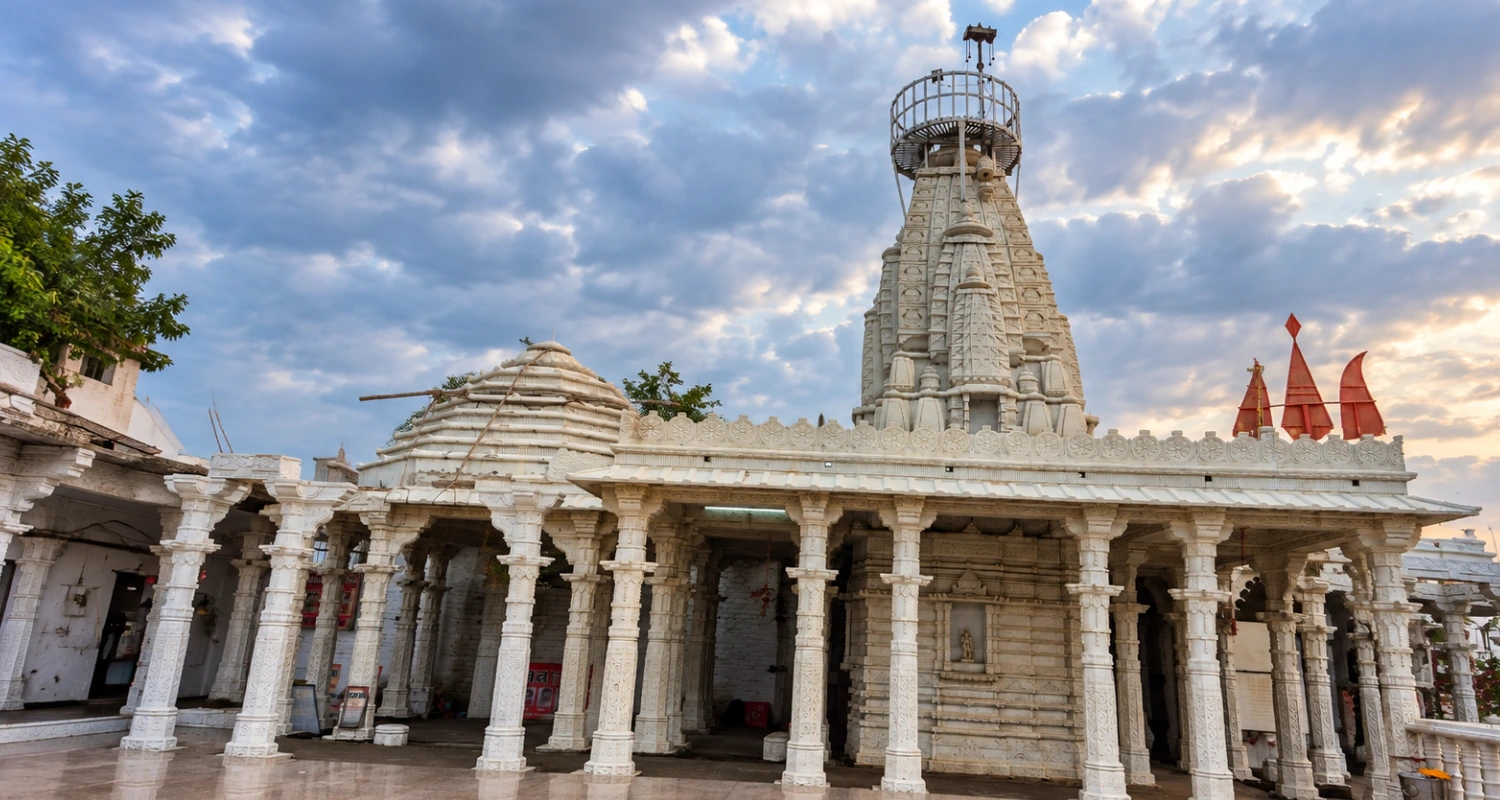
The ropeway climbs from the Doodh Talai side and gives you another elevated look at the city without the longer drive to Sajjangarh.
Local take: Watch the city open up underneath the cabin as it climbs. The lake slowly appearing behind the buildings is more enjoyable than simply reaching the top.
The ropeway currently operates from around 9:30 AM until sunset, subject to weather and visibility.
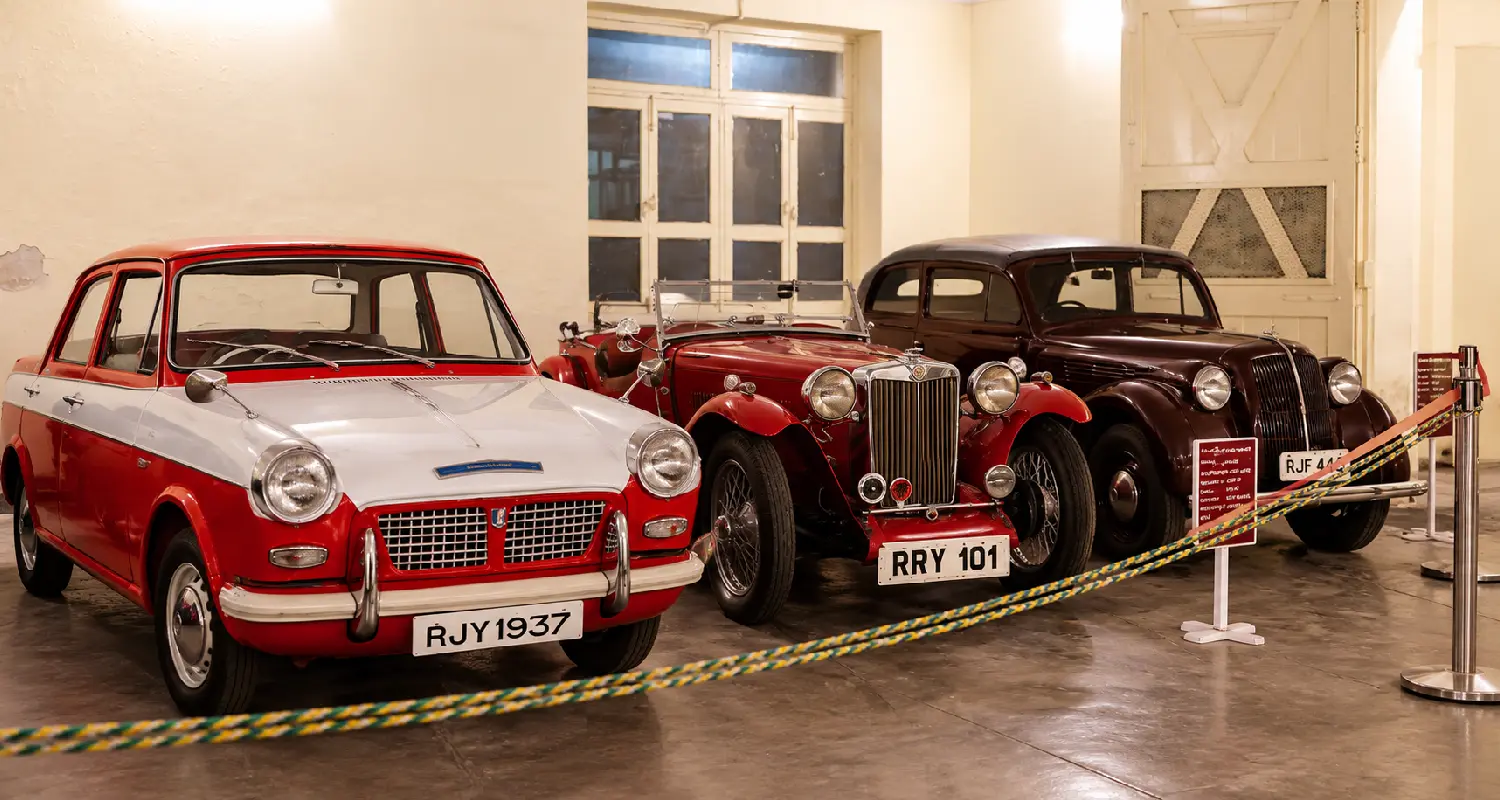
This is one for people who genuinely like automobiles.
The collection gives a different look at Udaipur’s royal history through cars associated with the Mewar royal family.
Local take: Palaces show you how royalty lived at home. The old cars give you a glimpse of how another part of that lifestyle looked outside the palace walls.
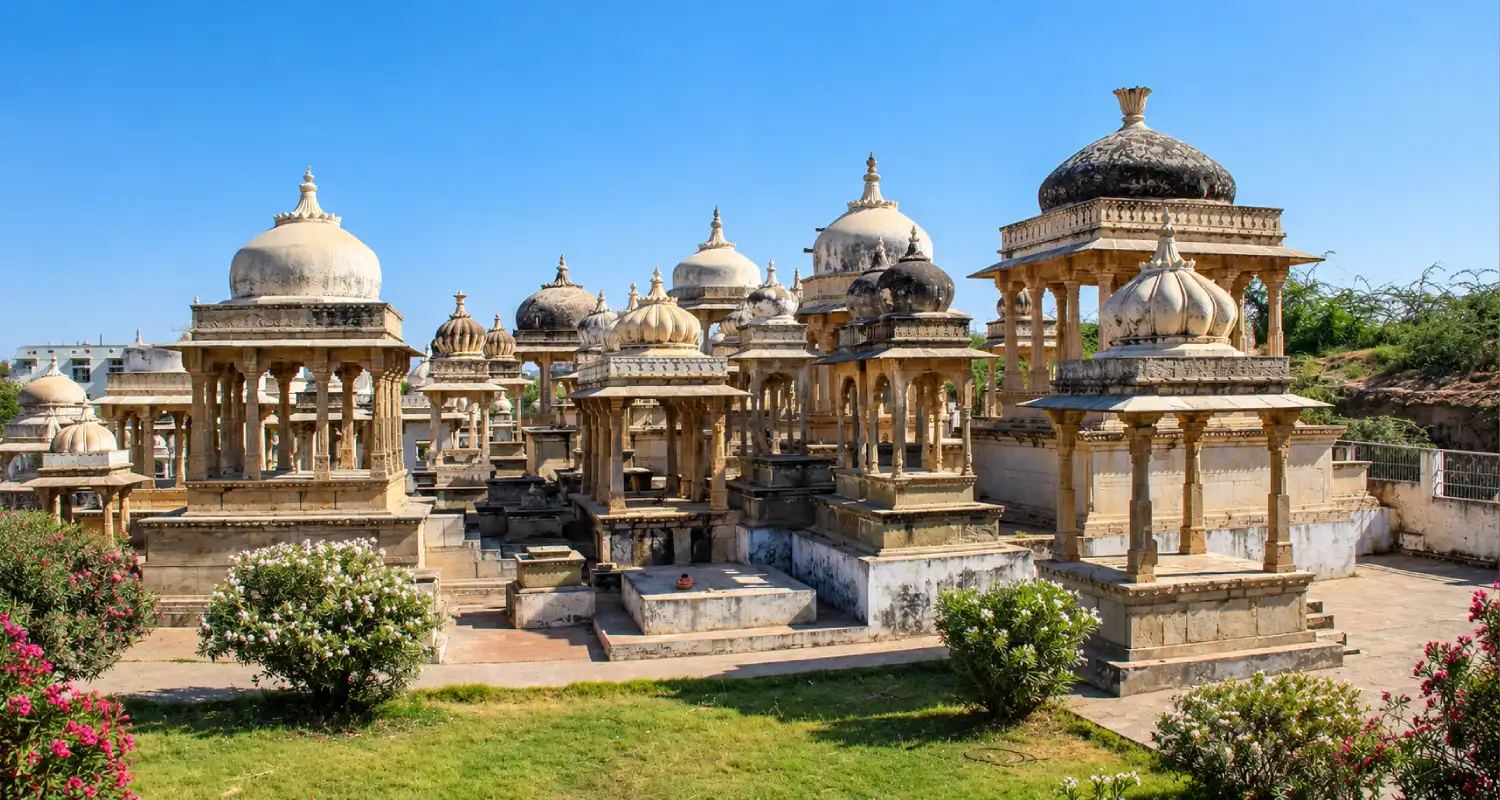
Ahar feels removed from the busier parts of Udaipur even though it sits relatively close to the city.
The cluster of royal cenotaphs appeals more to travellers interested in architecture, history and photography than conventional sightseeing.
Local take: Come when the light falls sideways across the domes. The repetition of pale stone, pillars and shadows is what makes Ahar beautiful.
Some places that appear in “near Udaipur” lists are far enough away to deserve half or full days.
Eklingji sits roughly 22–24 km from the City Palace area by road. Nagda is about 22 km from Udaipur and fits naturally into the same outing.
Local take: Nagda is quieter than many people expect. Old stone temples surrounded by hills and open land make the place feel much farther from Udaipur than it actually is.
Nathdwara centres around the Shrinathji Temple, while Haldighati gives the day a completely different historical side.
Haldighati lies about 40 km from Udaipur.
Local take: The drive changes character as you leave Udaipur. The city disappears, the Aravalli landscape takes over and Haldighati feels connected to the terrain in which its history happened.
Kumbhalgarh sits around 84 km north of Udaipur, so give it a proper day.
The scale of the fort and its setting in the Aravallis are the main reasons to make the drive.
Local take: The fort is impressive, but the wall disappearing along the hills is what stays with you. It makes Kumbhalgarh feel less like a single monument and more like part of the landscape.
Ranakpur Jain Temple lies almost 90 km from Udaipur.
Its architecture is remarkably detailed, particularly once you start noticing how the carved pillars change from one section to another.
Local take: The outside prepares you for a large temple. It does not prepare you for the forest of carved pillars inside. Give yourself time to look rather than walking straight through.
Yes, but the day will be long.
With an early start and private transport, the route is possible. Families with small children, seniors and travellers who like spending more time at each place may enjoy them more on separate plans.
If you want a longer city stay plus a day trip, compare different three-day Udaipur packages and check whether the route matches your pace rather than looking only at the number of stops.
Udaipur works well for families, but a palace-heavy schedule gets tiring quickly. Mix walking with easier stops.
Easy waterfront time and boating options make this simpler than another museum or palace.
Local take: This is the sort of place where families naturally slow down. Nobody needs to understand the history to enjoy sitting beside the lake.
The visit is short, the garden setting is easy and the pace is slower.
Local take: Children notice the fountains. Adults notice the shade. Both are good reasons to come.
It gives children a change from walking through rooms, museums and fort complexes.
Local take: Even children who have lost interest in palace history usually look up once the boat leaves the shore.
The Bird Park inside Gulab Bagh currently operates from 8:00 AM to 5:30 PM. The garden also has a toy train.
Local take: The greenery is the attraction as much as anything inside it. After stone palaces and busy streets, having children move around under old trees feels like a proper break.
Add it if someone in the family genuinely likes cars.
The park covers roughly 36 hectares and can be explored on foot or with a paid golf-cart option.
Local take: The surrounding hills stop it from feeling like a typical city zoo. The Aravallis stay in view as you move through the park.
Do fewer places and keep the route compact.
Jagdish Temple has a substantial staircase. City Palace requires more walking than many people expect. Older heritage buildings can also have uneven surfaces, narrow passages and steps.
Saheliyon Ki Bari and Fateh Sagar are easier choices. Lake Pichola boating can also work well if the boarding point is comfortable for the traveller.
For anyone with limited mobility, check access directly with the attraction before buying tickets.
“Hidden” is relative.
These places are known, but they sit outside the standard palace-and-lake circuit most first-time visitors follow.
Badi Lake sits around 12 km from Udaipur.
It feels much quieter than the main lakefront areas and deserves its own drive rather than being squeezed between city stops.
Local take: There is less palace architecture here and more sky, hills and water. That emptiness is exactly why people come.
Shilpgram lies about 7 km west of Udaipur and spreads across roughly 70 acres.
It focuses on folk culture, crafts and traditional rural architecture. The annual Shilpgram Festival is generally held from 21 to 30 December.
Local take: Do not rush from stall to stall. The mud houses, courtyards and craft spaces make the place feel better when explored slowly.
This is for travellers interested in Rajasthan’s puppetry, folk culture and performing traditions.
It is a more specialised stop than Bagore Ki Haveli.
Local take: Udaipur’s grand history is everywhere. This place shows you the smaller stories, colours and characters that belong to folk culture.
Doodh Talai works well because the gardens, ropeway and viewpoints are all in the same general area.
You do not need to give it half a day.
Local take: Come towards evening. As the light drops, you get layers of rooftops, water and hills rather than one single landmark.
Menar sits about 48 km from Udaipur on the Udaipur–Chittorgarh side.
Its wetlands attract migratory birds during winter, making this a trip for birdwatchers rather than ordinary city sightseeing.
Local take: Winter mornings are the reason to come. When the wetlands fill with birds, the landscape feels far removed from the palaces Udaipur is known for.
Ahar deserves another mention among the quieter hidden places in Udaipur.
Its cenotaphs give photographers and architecture lovers something different from the lakefront circuit.
Local take: It is the silence between the monuments that makes the place work. You get enough space to actually notice the stonework.
If you want local shopping, start with Hathi Pol and Bada Bazar.
Look for textiles, mojaris, handicrafts, miniature-style paintings and decorative pieces.
Compare prices before buying anything expensive. Tourist-facing shops can vary considerably in both price and quality.
You do not need ten locations. You need better timing.
Go around sunset and stay there for somewhile to enjoy the beauty. City Palace sits across the water.
Early morning works better if you want fewer people and softer light.
Late afternoon from a boat gives you changing light across the palace façades and water.
This is the place for wide landscape frames, especially close to sunset.
Evening usually works better than harsh midday light.
The complex itself gives you balconies, courtyards and framed lake views. Slow down enough to notice them.
One day is enough for the highlights. It is not enough for the entire Udaipur sightseeing places list.
Morning: City Palace first, followed by Jagdish Temple.
Midday: Lunch and a short walk through the Old City.
Late afternoon: Lake Pichola boat ride.
Evening: Choose one: Dharohar show, Ambrai Ghat or a viewpoint.
Do not add Fateh Sagar, Badi Lake, Sajjangarh and three museums simply because the car is available.
For a slower trip, use a two-day plan instead.
Checked: 13 October 2026
Only figures that could be supported confidently are stated as fixed numbers.
| Attraction | Current information | Ticket |
|---|---|---|
| City Palace Museum | 9:00 AM–9:00 PM | Check latest official rate |
| Jagdish Temple | 4:30 AM–1:00 PM; 5:00 PM–8:00 PM | Confirm locally if needed |
| Dharohar Folk Show | 7:00 PM–8:00 PM | ₹125 Indian / ₹250 foreign |
| Saheliyon Ki Bari | 9:00 AM–7:00 PM | Check at gate |
| Gulab Bagh Bird Park | 8:00 AM–5:30 PM | Check latest rate |
| Lake Pichola boat rides | Timings vary by operator and boarding point | Check current fare |
| Monsoon Palace | Confirm current hours before visit | Check at counter |
| Karni Mata Ropeway | 9:30 AM to sunset; weather dependent | Check current rate |
| Eklingji Temple | Darshan runs in separate time windows | Confirm on travel day |
| Ranakpur Jain Temple | Confirm current visitor hours | Check before departure |
The Old City is where walking makes the most sense.
City Palace, Jagdish Temple, Gangaur Ghat and Bagore Ki Haveli fit naturally into one outing. Taking a car from one door to the next can add more hassle because of narrow streets and traffic.
For Fateh Sagar, Sajjangarh, Badi Lake and longer day trips, an auto or cab is more practical.
Before booking a Lake Pichola boat ride, ask three things:
Accessibility needs separate planning.
Jagdish Temple has steps. Some heritage buildings have uneven passages and upper floors. Wheelchair users and travellers with limited mobility should check individual attractions before buying tickets.
For sightseeing packages, compare the route as carefully as the price. A cheap cab is not much of a bargain if the itinerary has you crossing the city three times in one day.
You do not need to cover every place to visit in Udaipur.
If you only have one or two days, use your interests to cut the list rather than trying to do everything.
Saheliyon Ki Bari is pleasant, but it is easier to leave for another trip than City Palace or Lake Pichola.
Vintage Car Museum makes sense for car enthusiasts. Otherwise, there are stronger first-time experiences.
Ahar Cenotaphs are good for history and photography, but not essential for a first 48-hour visit.
Shilpgram deserves time on a third day instead of being squeezed between major sights.
And you do not need three sunset points. Pick Ambrai Ghat, Sajjangarh or the ropeway and enjoy one properly.
The best places to visit in Udaipur depend on what you actually enjoy. Cutting three stops often improves the trip more than adding three.
For comfortable sightseeing, November to March is the easiest period.
Walking around the Old City and palace complexes is far more pleasant when afternoons are cooler.
April to June gets hot. If you come then, start early, take a longer break during the middle of the day and head outside again later.
Monsoon gives Udaipur a different look.
The hills become greener, the lakes feel more dramatic and the city has a completely different mood after rain. The trade-off is that showers can interrupt outdoor plans.
So what is the best month to visit Udaipur?
For straightforward sightseeing, November through February is the safest choice.
For greener scenery and a different atmosphere, late monsoon is worth considering.
The Mewar Festival 2027 is currently scheduled for 9 to 11 April 2027.
Two days: Enough for City Palace, the Old City, Lake Pichola, one evening experience and the Fateh Sagar side.
Three days: Better. You have space for Monsoon Palace, slower evenings and one nearby excursion.
Four days: Best if you want a full day trip to Kumbhalgarh, Ranakpur, Nathdwara or Haldighati without sacrificing the city.
If you are asking how many days required to visit Udaipur for the first time, three is the most balanced answer.
If Udaipur is part of a wider Rajasthan trip, it also pairs naturally with Jaipur, Jodhpur or another stop rather than needing to be treated as a standalone holiday.
The easiest way to spoil Udaipur is to treat every attraction on a search result as compulsory.
Start with the five places you actually care about. Group them by area. Then decide whether your extra day belongs to another city attraction or a day trip outside Udaipur.
EaseTrippers lets travellers compare routes, hotels and quotes offered by verified local travel agents instead of locking everyone into the same itinerary.
Want a simpler checklist instead?
Udaipur is famous for its lakes, City Palace, Mewar architecture and hill-backed views. Lake Pichola, Fateh Sagar, City Palace and Sajjangarh are among the most famous places in Udaipur.
City Palace, Lake Pichola, Jagdish Temple, Bagore Ki Haveli and Monsoon Palace are a strong first five. If hilltop sunsets do not interest you, replace Monsoon Palace with Fateh Sagar.
Fateh Sagar, Lake Pichola boating, Saheliyon Ki Bari, Gulab Bagh Bird Park and the Vintage Car Museum are easier family choices. Keep museum-heavy days shorter for young children.
Yes, but only the highlights. Do City Palace and Jagdish Temple in the morning, Lake Pichola later and one evening stop. Do not try to cover all Udaipur spots to visit in a single day.
Monsoon Palace gives the widest elevated view. Ambrai Ghat is easier and places City Palace across the water. Lake Pichola is the better option if you prefer being on the water.
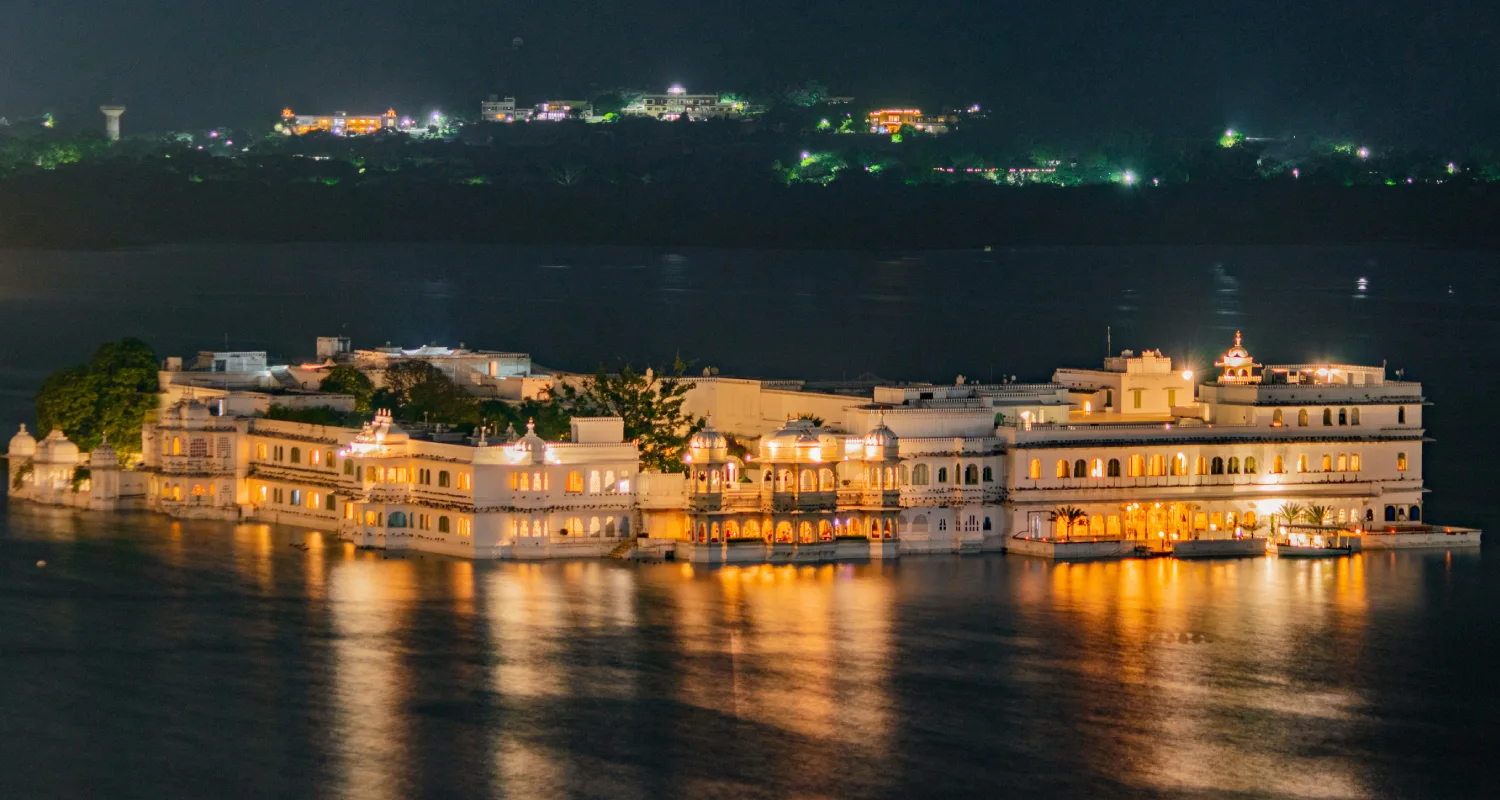
Lake Palace operates as a luxury hotel rather than a standard walk-in sightseeing monument. Check the current access policy before planning around it.
For a first visit, Lake Pichola. It gives you the palace-and-lake view most people associate with Udaipur. Fateh Sagar is better for a slower evening.
Gangaur Ghat, Ambrai Ghat and sections of the Fateh Sagar waterfront are easy choices when you want lake views without another ticket.
Yes, with an early start and private transport. It is still a long day. Families with small children and slower travellers may prefer not to combine them.
Eklingji, Nagda, Haldighati, Nathdwara and Menar are among the better-known options within roughly this range. Exact road distance depends on your starting point.
No special permit is needed for the usual city attractions. Individual tickets, photography rules and site-specific restrictions can still apply.
November to March is the most comfortable period for general sightseeing. Monsoon is a good alternative if you prefer greener hills and do not mind occasional rain.
Choose the boarding point and operator first. Ask whether the ticket includes Jag Mandir if that matters to you. Different operators can follow different routes.
They vary by attraction and can change. Check the current official counter or operator before travelling rather than relying on an old online list.
Some places are easier than others. Fateh Sagar and Saheliyon Ki Bari are simpler. Jagdish Temple has steps, and heritage buildings can include stairs or uneven floors.
Yes. Lakefront walks, the Dharohar show, illuminated palace views and dinner around Lake Pichola are better evening choices than squeezing in another daytime attraction.
Hathi Pol and Bada Bazar are good starting points for textiles, footwear, handicrafts and miniature-style art. Compare prices before buying expensive pieces.
Textiles, mojaris, local handicrafts, miniature-style paintings and decorative items are common buys. Quality varies, so shop around rather than buying from the first tourist-facing store.
 October 9, 2026
 October 4, 2026