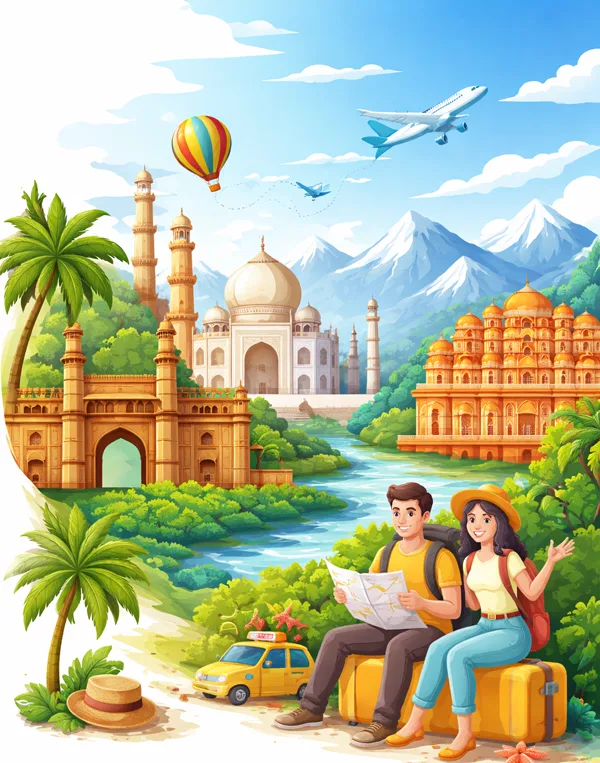


Rajasthan is one of those states where the trip changes completely every few hundred kilometres.
Jaipur gives you forts, old bazaars and grand city architecture. Udaipur slows things down with lakes and palace views. Jodhpur is built around the presence of Mehrangarh Fort, while Jaisalmer takes you straight into the desert. Move east and you have wildlife around Ranthambore and Bharatpur. Head south and the landscape becomes greener around Udaipur, Kumbhalgarh and Mount Abu.
So the real challenge is not finding the top tourist places in Rajasthan. It is deciding which ones make sense in the same trip.
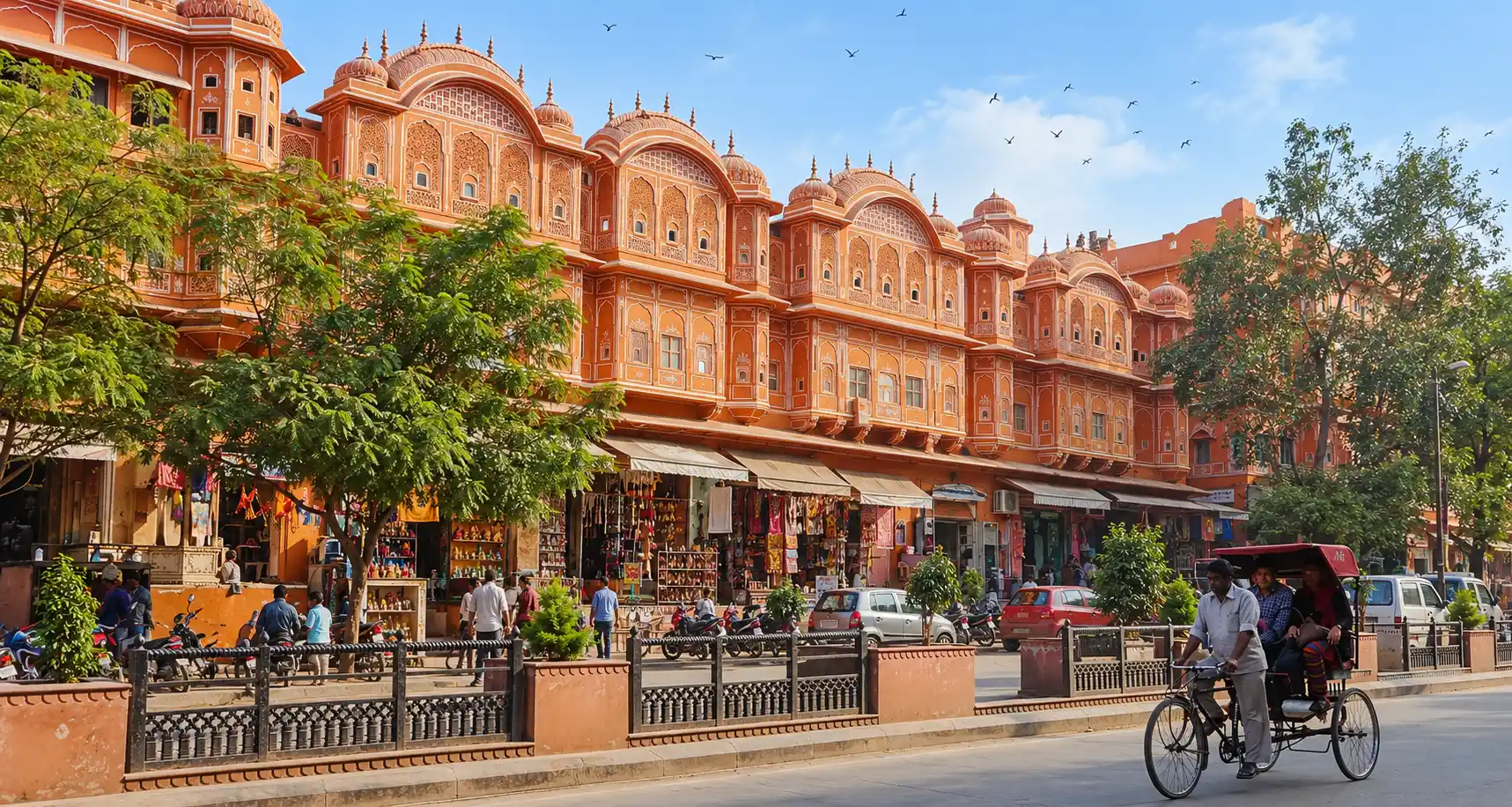
For many travellers, Jaipur is the easiest place to begin.
Amer Fort, City Palace, Hawa Mahal and Jantar Mantar cover the city’s royal and architectural side, while the old bazaars give you jewellery, textiles, handicrafts and plenty of food stops in between.
Jaipur also works well as part of a Delhi–Agra–Jaipur trip, which makes it convenient for first-time visitors to North India.
If you only have two or three days in Rajasthan, Jaipur is one of the easiest cities to explore without spending too much time on intercity travel.
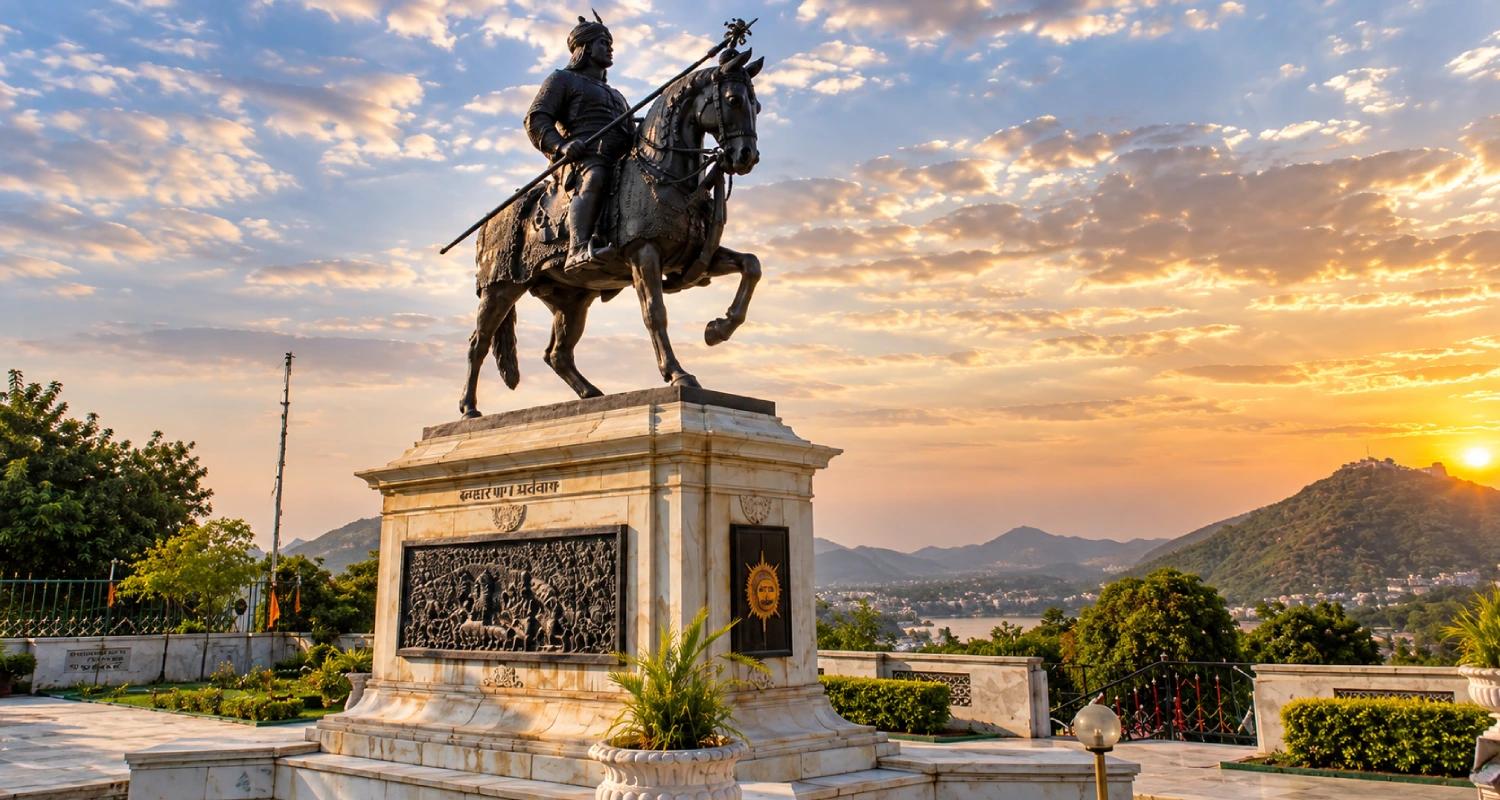
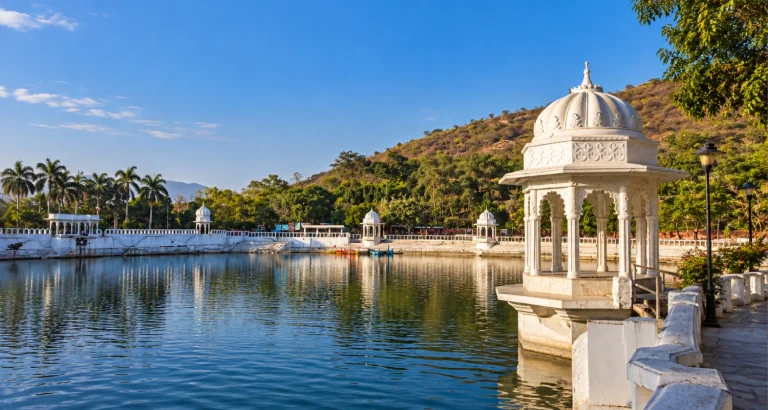
Udaipur feels very different from Jaipur.
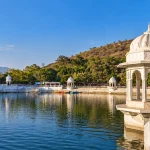
Here, the city seems to open around its lakes. City Palace overlooks Lake Pichola, Fateh Sagar gives you another side of the city, and Sajjangarh sits high above it all.
Evenings are a big part of the experience. A walk around Gangaur Ghat, a boat ride on Lake Pichola or simply sitting somewhere with a lake view often ends up being more memorable than trying to fit in another attraction.
Udaipur works especially well for couples and travellers who prefer slower days over packed sightseeing.

Mehrangarh Fort defines Jodhpur.
The fort towers above the old city, while the blue-painted neighbourhoods, markets and narrow lanes below give Jodhpur its familiar identity as the Blue City.
Jaswant Thada and the areas around the old city can be added without making the day feel too crowded.
Jodhpur is also useful geographically. It fits naturally into routes heading towards Jaisalmer or Udaipur.

Jaisalmer takes you straight into Rajasthan’s desert landscape.
The city itself has Jaisalmer Fort, old havelis and sandstone streets, but most travellers also keep time for the dunes outside town.
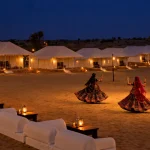
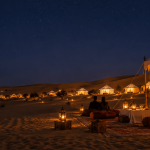
A desert evening can include sunset views, camel rides, a camp stay or cultural performances. You do not need every one of these experiences, but spending at least one evening away from the city gives the trip a completely different feel.
If the Thar Desert is one of the main reasons you are visiting Rajasthan, Jaisalmer deserves more than a rushed stop.
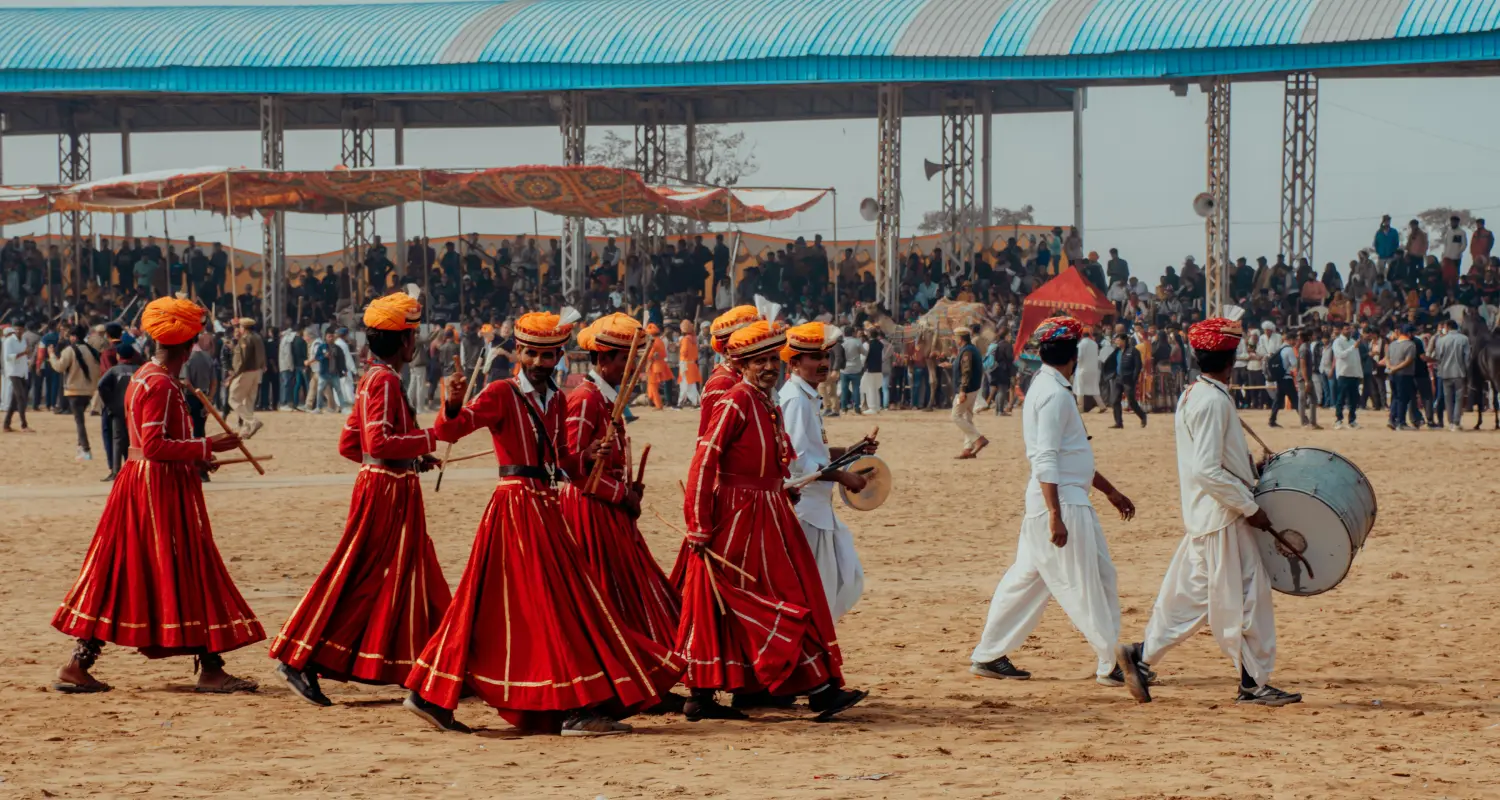
Pushkar is smaller, quieter and easy to explore on foot.
Pushkar Lake, the ghats and Brahma Temple form the centre of the town, while the surrounding streets are lined with small shops, restaurants and guesthouses.
It also pairs easily with Ajmer, so both can be covered on the same part of the trip.
Pushkar works particularly well when you want a break between larger heritage cities.

Ranthambore gives you a completely different side of Rajasthan.
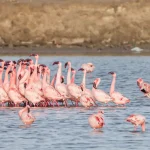
The national park combines dry forest, lakes, ruins and Ranthambore Fort with the possibility of spotting tigers and other wildlife.
Sawai Madhopur is the usual base for safari trips. The park is generally open from October to June, and safari bookings are worth arranging in advance, especially during busy travel periods.
If wildlife is important to you, keep at least one or two nights here rather than trying to squeeze it into a hurried day trip.

Mount Abu is Rajasthan’s hill-station escape.
It is greener and cooler than much of the state, with places such as the Dilwara Temples and Nakki Lake giving it a very different character from Jaipur, Jodhpur or Jaisalmer.
It is also one of the better options if you are travelling during the warmer months.
For families, couples or anyone wanting a break from forts and desert roads, Mount Abu adds some variety to the itinerary.
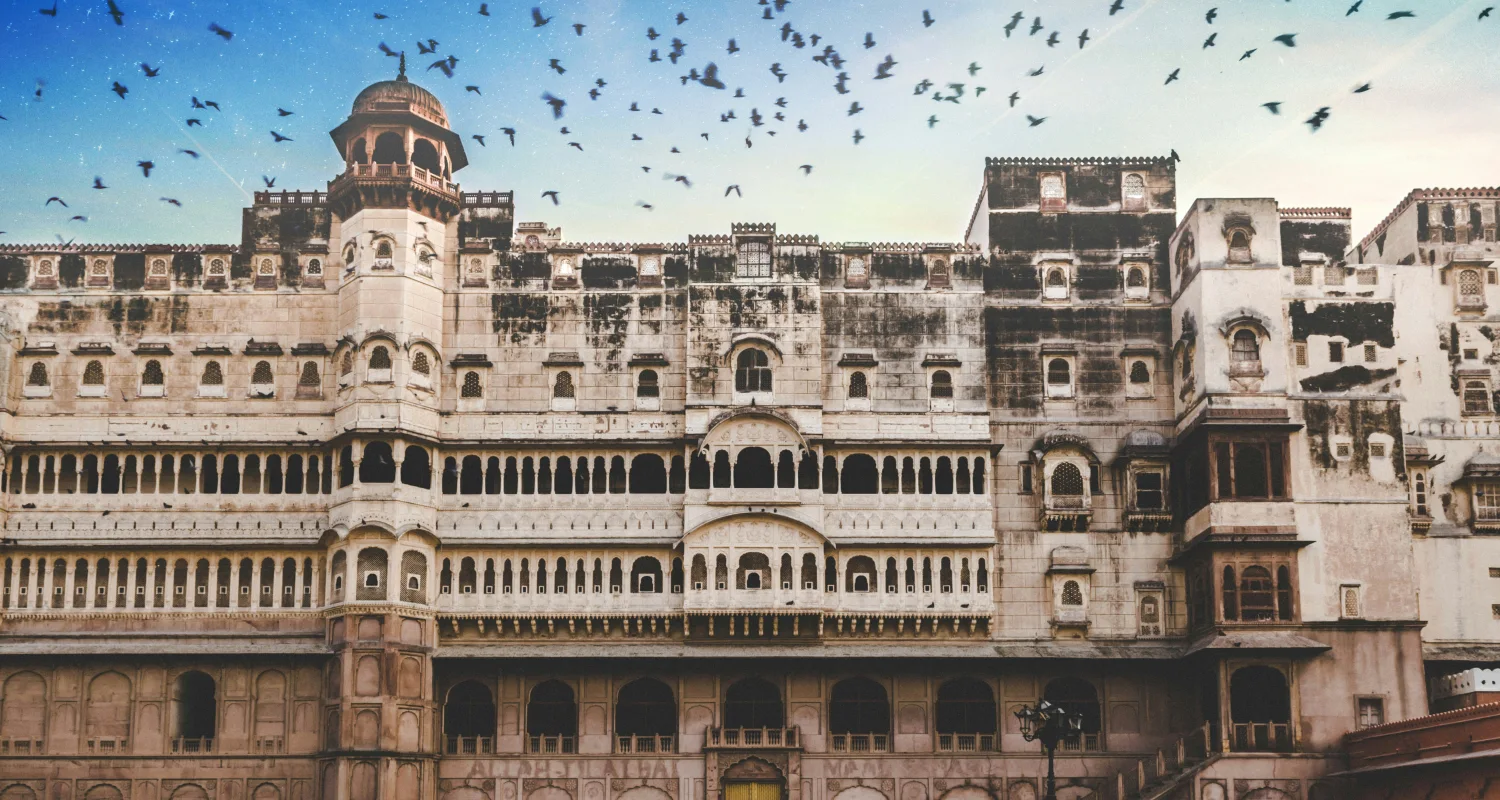
Bikaner often gets overshadowed by Jaisalmer, but it has enough character to stand on its own.
Junagarh Fort, heritage streets, old havelis and the city’s long association with camels give it a strong desert identity.
It is a good option for travellers who want western Rajasthan without following the most common Jaipur–Jodhpur–Jaisalmer route.
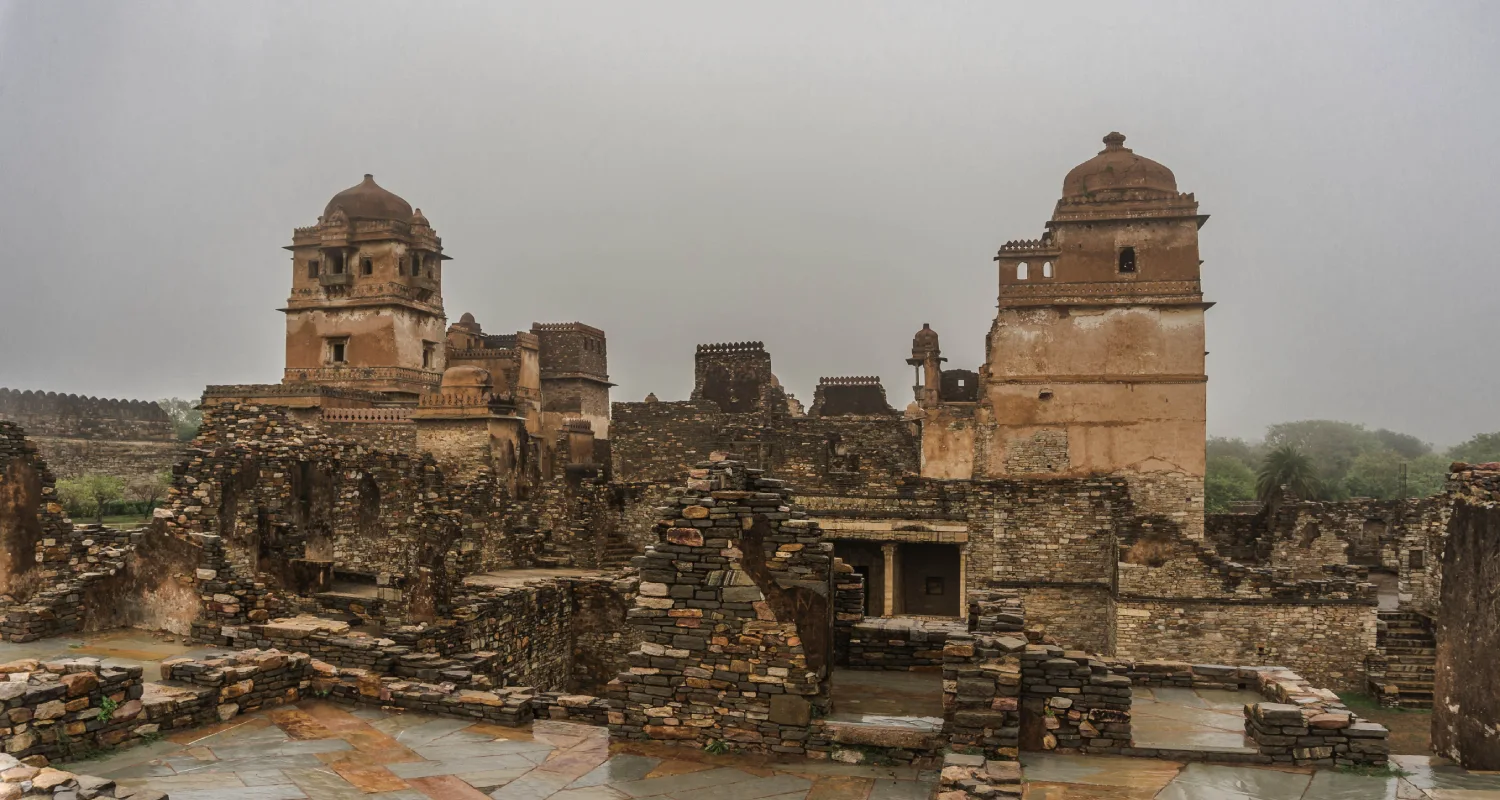
Chittorgarh is built around one enormous historical site: Chittorgarh Fort.
The fort complex stretches across a hill and includes palaces, towers, temples and reservoirs.
It is easiest to add from Udaipur, which makes it a good choice for travellers who want more history without adding another full city stay.
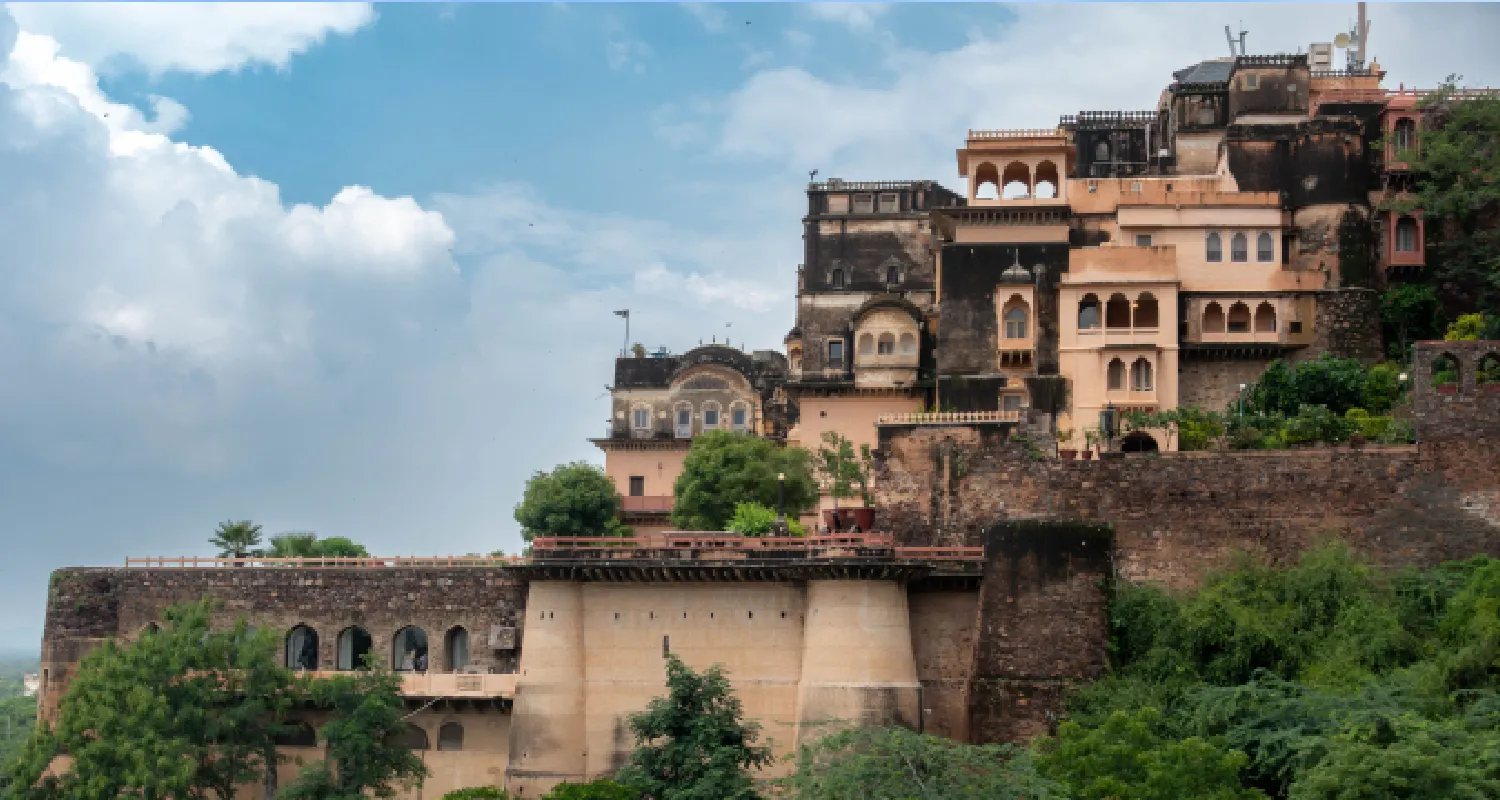
Bundi is smaller, quieter and much less polished than Rajasthan’s major tourist cities.
That is part of its appeal.
The town is known for stepwells, palaces and Taragarh Fort. It is a good choice if you enjoy heritage but would rather spend time somewhere that feels slower and less crowded.
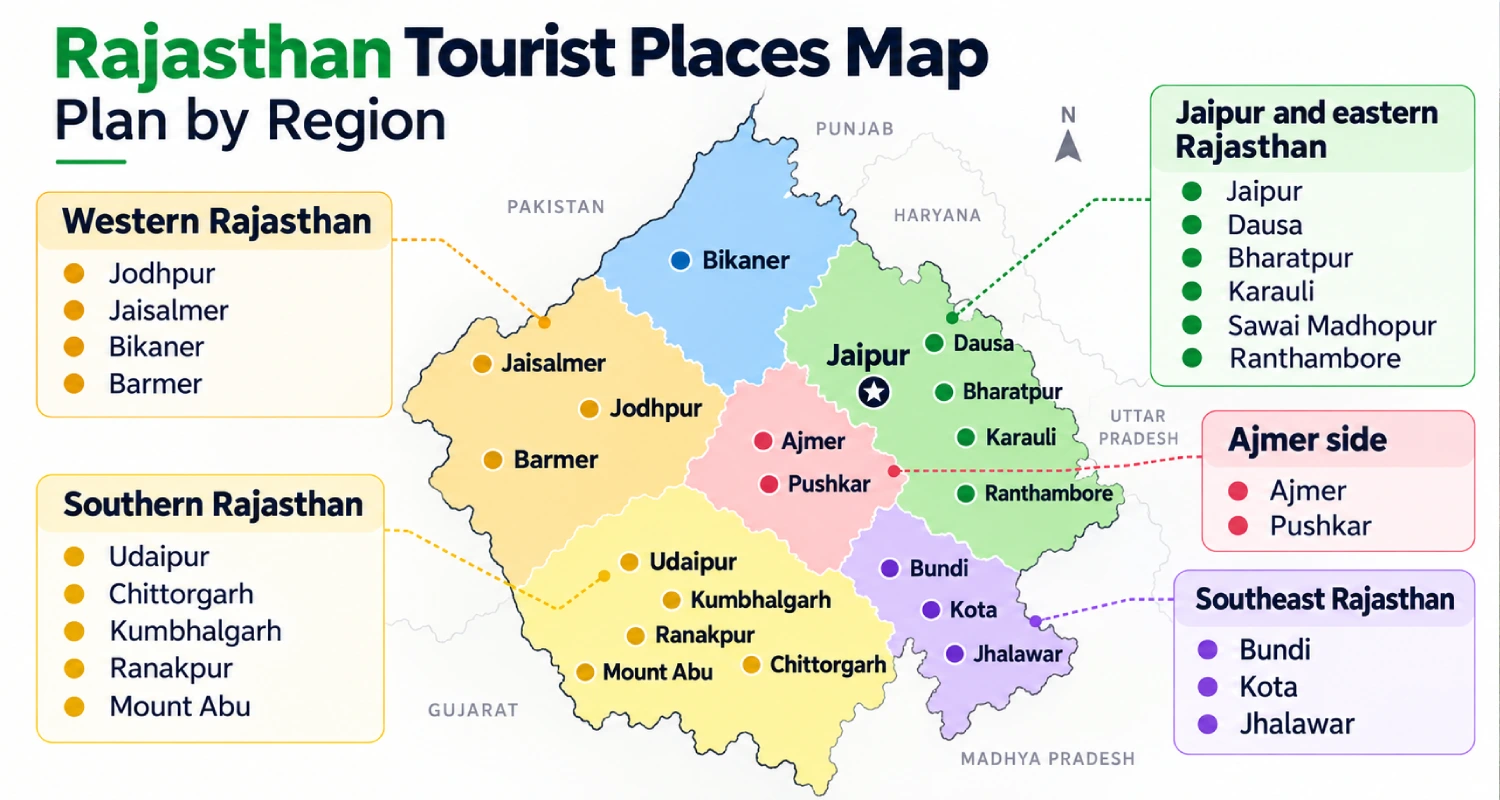
A Rajasthan tourist places map is often more useful than a long list of attractions.
The state is large, and poor route planning can easily turn a holiday into a series of long drives.
Think of Rajasthan in broad travel zones:
| Region | Key Places |
|---|---|
| Jaipur and eastern Rajasthan | Jaipur, Dausa, Bharatpur, Karauli, Sawai Madhopur and Ranthambore |
| Southern Rajasthan | Udaipur, Chittorgarh, Kumbhalgarh, Ranakpur and Mount Abu |
| Western Rajasthan | Jodhpur, Jaisalmer, Bikaner and Barmer |
| Ajmer side | Ajmer and Pushkar |
| Southeast Rajasthan | Bundi, Kota and Jhalawar |
If you have less than a week, staying within one or two neighbouring regions usually gives you a much better trip than crossing the entire state.
The best route depends on what you actually want from the holiday.
| Travel Style | Best Places |
|---|---|
| Forts and history | Jaipur, Jodhpur, Chittorgarh and Kumbhalgarh |
| Lakes and slower evenings | Udaipur |
| Desert scenery | Jaisalmer first, Bikaner as a quieter alternative |
| Wildlife | Ranthambore and Bharatpur |
| Smaller towns | Bundi, Pushkar and Shekhawati |
That is often a better way to shortlist places to see in Rajasthan than simply following a top-10 list.
A first Rajasthan trip does not need to cover the whole state.
| Duration | Route | What You Get |
|---|---|---|
| 5 to 6 days | Jaipur → Pushkar → Udaipur | Forts, a smaller town and a lake city |
| 7 to 8 days | Jaipur → Jodhpur → Jaisalmer | Forts and desert, if the desert is a priority |
| 7 to 8 days | Jaipur → Jodhpur → Udaipur | Architecture and lakes over dune experiences |
| 9 to 10 days | Any of the above + one more destination | An extra stop that fits naturally into the route |
These are only a few of the places to travel in Rajasthan, but they work much better together than an over-packed statewide circuit.
Shekhawati is worth considering if painted havelis and frescoes interest you more than large forts.
Kumbhalgarh fits easily into a Udaipur-based route and gives you one of Rajasthan’s major hill-fort experiences.
Ranakpur is another useful stop between Udaipur and Jodhpur, especially if temple architecture interests you.
Bharatpur works well for birdwatching and is convenient if Rajasthan is being combined with Delhi or Agra.
Karauli is another quieter option in eastern Rajasthan, with temples, old architecture and a slower pace than the major tourist cities.
| Season | Months | What to Expect |
|---|---|---|
| Easiest time | October to March | More comfortable days for forts, markets and outdoor sightseeing. December and January can still get quite cold at night, especially in desert areas. |
| Hot season | April to June | Much hotter. Mount Abu, Kumbhalgarh and Ranakpur are among the better options. |
| Monsoon | July to September | Udaipur, Bundi and Bharatpur become greener, and crowds are usually lower than during peak winter. |
For most travellers, October to March is the easiest time to visit Rajasthan. The monsoon is underrated.
Rajasthan is not difficult to travel through, but distances between cities are often larger than they look on a map.
A few practical travel guidelines in Rajasthan:
A little planning makes a big difference here, especially on multi-city trips.
If you are exploring one part of the state, 5 to 7 days can be enough.
A first trip covering three major cities usually needs around a week.
Add Jaisalmer, Ranthambore or Mount Abu and you will need more time because the road distances start adding up quickly.
The biggest mistake is not staying too long in one city. It is trying to squeeze six or seven cities into one week.
| If You Want | Choose |
|---|---|
| Forts and desert | Jaipur → Jodhpur → Jaisalmer |
| Forts and lakes | Jaipur → Jodhpur → Udaipur |
| Something slower | Jaipur → Pushkar → Udaipur |
| Wildlife | Jaipur combined with Ranthambore |
| Udaipur extension | Udaipur with Chittorgarh, Kumbhalgarh or Ranakpur |
The right route is the one that gives you enough time in each place, not the one with the most city names.
Rajasthan can be built around heritage, wildlife, desert experiences, family travel or a mix of everything.
EaseTrippers connects travellers with verified local travel agents, so you can compare routes, stay options and quotes before deciding which Rajasthan plan works for you.
Jaipur, Udaipur, Jodhpur and Jaisalmer are the easiest starting points. Add Ranthambore if wildlife is important or Pushkar if you want a smaller-town stop.
Around 7 to 10 days works well for a first trip covering three or four destinations. Shorter holidays are better when you stay within one region.
Yes. They form a practical heritage route, but allow enough time for road journeys between the cities rather than trying to cover all three too quickly.
Choose Udaipur for lakes, palaces and a slower city break. Choose Jaisalmer if you want desert landscapes, sandstone architecture and dune experiences.
Jaipur, Udaipur, Mount Abu and Ranthambore are good choices because they combine sightseeing with activities that suit different age groups.
Mount Abu is the obvious choice. Kumbhalgarh and Ranakpur are also worth considering during the hotter months.
Yes. Udaipur, Bundi and Bharatpur are especially attractive during the monsoon, when the landscape is greener and peak-season crowds are lower.
Yes. Ranthambore is popular, so advance reservations are recommended, especially during busy travel periods. The park is generally open from October to June.
It depends on the route. Road travel works well for circuits such as Jaipur–Pushkar–Udaipur or Udaipur–Chittorgarh–Kumbhalgarh. Trains are useful on several major intercity routes, but journey time and station location should be checked before deciding.
Rajasthan Tourism and RTDC provide official map and trip-planning resources. A regional map is especially useful before finalising a multi-city trip because distances between western, southern and eastern Rajasthan can be substantial.
 October 9, 2026
 October 4, 2026