

Most Kerala guides say “go between October and March” and leave it there. That advice is mostly right, but it skips one thing that spoils a few trips every year. Kerala has two monsoons, and the second one starts around the time people begin planning.
This guide uses rain-day numbers, sea conditions and real alert rules, so you can pick up your dates with fewer surprises.
If you want a quick answer: for a first trip, go from late November to February. For green hills and lower prices, September works well. Mid-October to mid-November can be good but keep your plan flexible.

Kerala’s weather changes throughout the year, from dry winter months to lush monsoon seasons. December to February is ideal for beaches and backwaters, March to May suits hill stations, while June to September is popular for Ayurveda, greenery and budget trips. October to mid-November brings fewer crowds with occasional heavy showers.
| Month | Rainy days | How it feels |
|---|---|---|
| Jan | 1 | Great |
| Feb | 1 | Great |
| Mar | 3 | Good, getting hot |
| Apr | 7 | Hot and humid |
| May | 11 | Pre-monsoon storms |
| Jun | 23 | Peak monsoon |
| Jul | 23 | Peak monsoon |
| Aug | 19 | Heavy rain, Onam season |
| Sep | 13 | Easing, good value |
| Oct | 14 | Second monsoon begins |
| Nov | 7 | Improving |
| Dec | 2 | Great |
Look at October. It has almost as many rainy days as September. The weather is pleasant, so most blogs call it a good month, but the rain count tells a different story.
Kerala Tourism says the state has two rainy seasons. The southwest monsoon arrives in June, and the northeast monsoon (called Thulavarsham locally) arrives around mid-October. It usually rains for a few hours with breaks in between, but those few hours can be heavy. In one record year, Kerala received 833.8 mm of rain between 1 October and 15 November, against a normal of 407.2 mm.
If your dates are flexible, I would aim for the last week of November or later. If they are not, keep reading, because there is a plan for that too.
| What you want | Best months | Keep in mind |
|---|---|---|
| Swimming at Kovalam or Varkala | Oct – Mar | Sea is roughest from June to August |
| Houseboat in Alleppey | Nov – Feb | Heavy rain or wind stops cruising |
| Munnar tea hills | Sep – Mar | Nights get properly cold in Dec–Jan |
| Ayurveda | Jun – Sep | Kerala Tourism calls monsoon the best season for treatments |
| Honeymoon | Dec – Feb | Book early, Christmas week is the priciest |
| Budget trip | Jun – Sep | Fewer activities, keep indoor options |
This is where many travellers get caught out. IMD rain alerts are issued district by district. A red alert in Wayanad does not mean Kovalam is closed.
| Alert | Rain in 24 hours | What usually changes for tourists |
|---|---|---|
| Yellow | Moderate to heavy | Carry a raincoat. Nothing closes |
| Orange | 115.6 – 204.4 mm | Boating and trekking get restricted in hill districts |
| Red | Above 204.4 mm | Tourist spots close, night travel is banned in hilly areas |
This happens in real life. In September 2026, Wayanad stopped trekking and adventure tourism after a rain warning. Earlier, restrictions in Idukki and Wayanad were lifted only on 10 August, after the alert level came down.
Each morning, check the IMD warning for your district, and ask your hotel if anything has been closed locally.
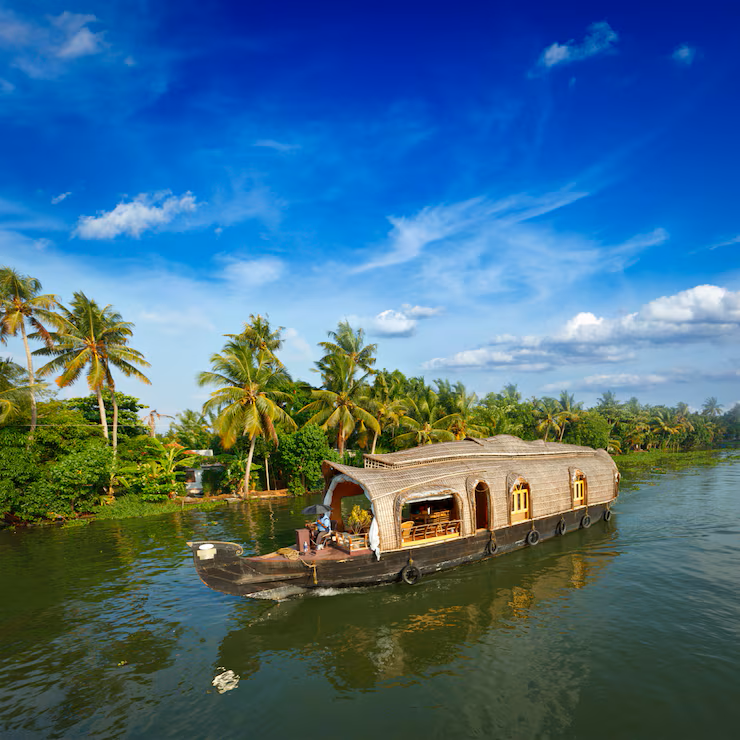
Houseboats: Operators answering on Tripadvisor say overnight stays are fine in rain, but the boat stops cruising in heavy rain or strong wind and ties up. You pay the same and sail less.
Beaches: Travellers who visited Kovalam in monsoon mention red flags and no entry to the sea. Don’t plan a beach day between June and August.
Backup plan: If a houseboat night gets rained out, a short day cruise is easier to reschedule.
One traveller’s view: A couple who booked a Kerala honeymoon through us last year said the houseboat was the best part of their trip. They also said the hotels were comfortable and the plan fit their budget. [ADD: one real observation from your team or partner agents, for example what customers usually ask about rain]
December to March is the busiest time, and Christmas to New Year is the most expensive stretch. October and November are quieter. April and May also see fewer visitors. Houseboat operators suggest booking at least 2–3 weeks ahead in peak months, and I would book even earlier for December.
| Your dates | What I’d do |
|---|---|
| Mid-Oct to mid-Nov | Go for Munnar, Thekkady and Kochi, add an Ayurveda stay, keep one buffer day, skip beach swimming. The 5-day Munnar, Thekkady and Alleppey package follows this kind of route |
| Dec – Feb | Book hotels and houseboats early, do beach time in the morning |
| Mar – May | Pick hills first, keep afternoons indoors |
| Jun – Aug | Choose Ayurveda and a quiet backwater stay, avoid trekking and sea activities |
| September | Good value, hills reopen, expect afternoon showers |
Not sure which month suits your plan? Browse our Kerala tour packages or send us your dates and our partner agents will share quotes.
For most people, December to February. The weather is dry, the sea is calmer and everything is open.
It can be, but it isn’t reliable. The northeast monsoon starts around mid-October, so expect short, heavy showers. Late November onwards is safer.
Yes, if you plan for it. Stay away from beaches and trekking, check district alerts, and book flexible stays.
June to September. Activities are limited then, though.
December to February. Book houseboats and resorts early.
September to March. Check district alerts before you go up, especially in September and October.
 October 9, 2026
 October 4, 2026