
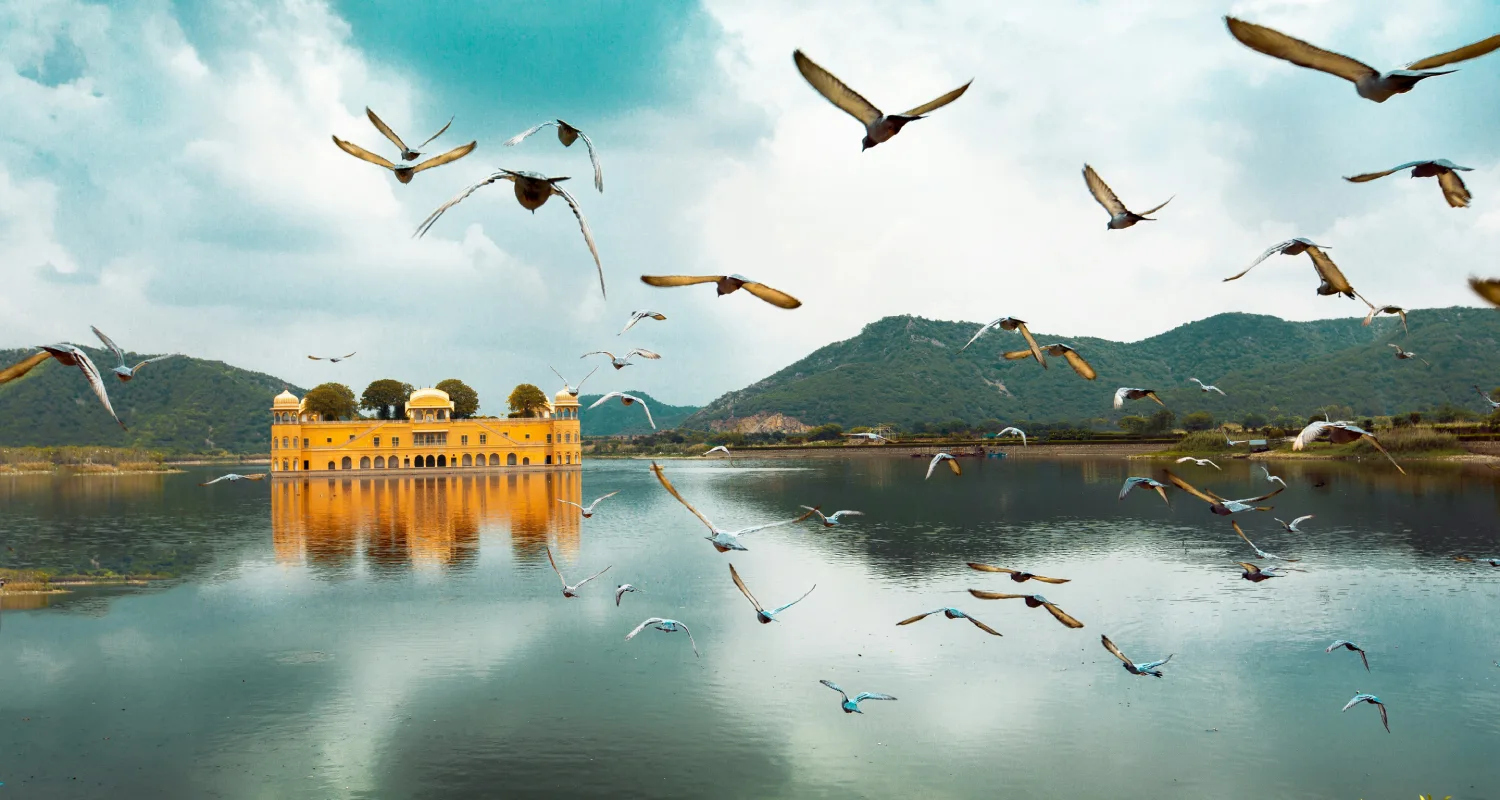
Experience beyond Jaipur sightseeing if you want to make your Jaipur trip more memorable. Explore the local culture, try traditional food, and discover the city beyond its popular tourist attractions.
Forts and palaces are why most people come to Jaipur, but the city feels different once you step into its markets, kitchens and old lanes. The best local experiences in Jaipur are simple: haggling over block-printed fabric, eating a hot kachori for breakfast, watching a craftsperson at work and sitting through an evening aarti.
| Experience | Where to Go | What to Enjoy |
|---|---|---|
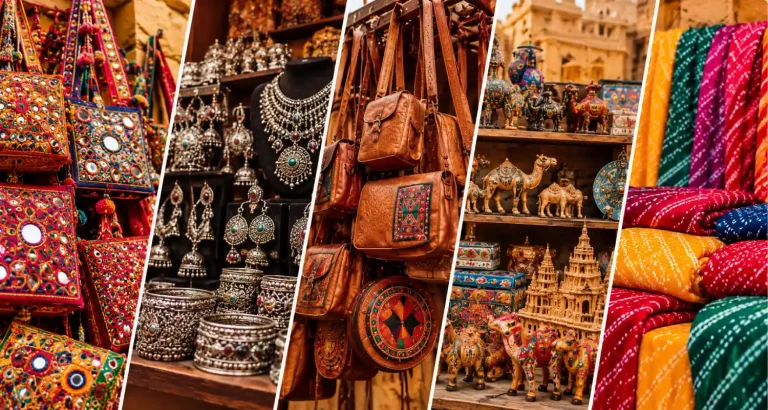
| Local shopping | Bapu Bazaar, Johari Bazaar and Tripolia Bazaar | Printed fabrics, quilts, juttis, jewellery and lac bangles |
| Block printing | Anokhi Museum in Amer or workshops in Sanganer | Watch artisans at work; ask about hands-on sessions |
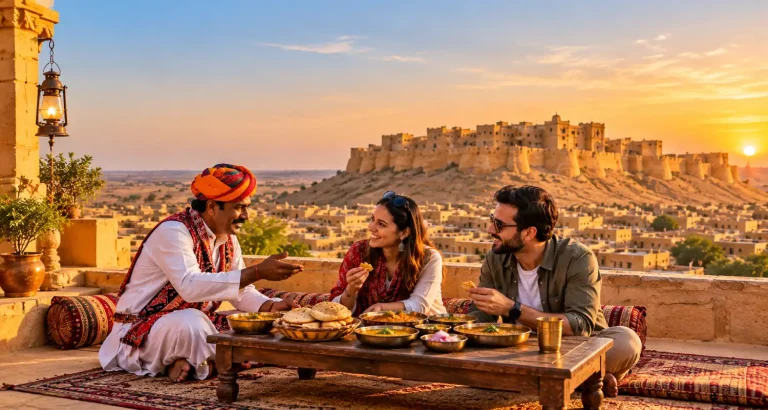
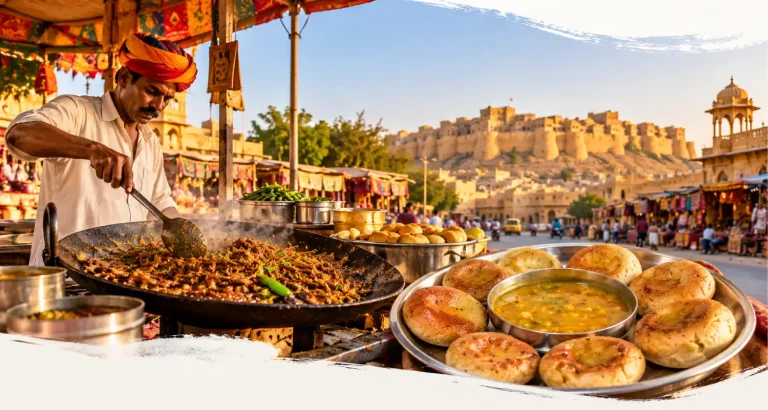
| Local food | Local eateries and Masala Chowk | Pyaz kachori, dal baati churma, ghevar and other snacks |
| Temple aarti | Govind Devji Temple | Bhajans, prayers and local devotional traditions |
| Guided fort visit | Amer, Jaigarh or Nahargarh Fort | Understand the history, architecture and life inside the forts |
| Old Amer walk | Jagat Shiromani Temple and nearby lanes | Temple architecture and a relaxed walk through old Amer |
| Elephant care experience | Hathi Gaon, near Amer | Observe elephants and learn about their care from mahouts |
| Blue pottery | Pottery shops and studios in Jaipur | Shop for handmade pieces; ask about demonstrations |
| Family wildlife outing | Nahargarh Biological Park | See wildlife and take a break from city sightseeing |
Skip the mall and walk through the Pink City bazaars instead.
Visit three or four shops before buying anything, because prices and quality change from lane to lane.
Seeing a craftsperson press a wooden block onto cloth, again and again, makes you value a printed bedsheet differently. The Anokhi Museum of Hand Printing in Amer, a short walk from Amer Fort, has a demonstration area where artisans print and carve blocks, and it also runs workshops. Sanganer, near Jaipur, is another well-known block-printing town.
Try printing a small piece yourself. Getting the pattern to line up is harder than it looks.
Spread these across your stay instead of cramming them into one day:
Best for: everyone. It works for kids, seniors and food lovers alike.
Govind Devji sits inside the City Palace complex and is one of the most actively worshipped temples in Jaipur. Darshan happens in several jhankis through the day, so time your visit to an aarti. The hall fills up, bhajans start and the whole place slows down. Even if you are not religious, it is a calm way to see how locals spend their day.
Photography is restricted during darshan, so keep your phone away.
Best for: families, seniors and anyone who wants a peaceful break.
A fort looks much better when someone tells you its stories. A good guide explains the gates, courtyards and rooms, and who lived where. Amer, Jaigarh and Nahargarh all work well.
Use an authorised guide and agree on the fee and language before you start.
After Amer Fort, most people rush back to the city. Stay a little longer instead. Jagat Shiromani Temple is a 17th-century Krishna temple that locals call the Meera temple. The Anokhi Museum is nearby, so the two fit into one slow walk.
Hathi Gaon, or “Elephant Village,” sits at the foot of Amer Fort. It is where the elephants and their mahouts live, so you see their daily routine instead of just a ride.
Go early, around 8 AM, when the bathing happens and the place is quieter. Spend your time feeding and bathing rather than going only for a ride, and talk to the mahouts to learn more.
Best for: families with kids and animal lovers.
Blue pottery is one of Jaipur’s best-known crafts, and a small plate, cup or tile makes a better souvenir than a fridge magnet. Ask if you can see how it is made, since some places only sell finished pieces.
If children are tired of palaces and bazaars, this is a good change. The park sits in the Aravalli hills on the Jaipur-Delhi highway and is home to tigers, lions and leopards. Wear comfortable shoes and carry water. It is closed on Tuesdays, and it is a separate place from Nahargarh Fort.
Best for: families with young children.
Not every traveller wants the same things. Some want shopping, some want food and some just want a slower pace.
Tell EaseTrippers your dates, group size and interests, and we will connect you with a local travel partner who can plan it.
Explore local markets, try Rajasthani food, join a block-printing workshop or attend prayers at Govind Devji Temple.
Jaipuri quilts, block-printed fabrics, bandhani sarees, lac bangles, blue pottery and traditional juttis are popular choices.
Try pyaz kachori, dal baati churma, gatte ki sabzi and ker sangri. For sweets, choose ghevar, feeni or mawa kachori.
Look for workshops in Jaipur, Sanganer or Bagru. Book ahead and check whether you can print on fabric yourself.
Yes, if you enjoy history. A guide can explain the fort’s rooms, architecture and stories. Agree on the fee before starting.
Three days gives you time for sightseeing, shopping and local experiences. Keep extra time for trips to Sambhar Lake or Khatu Shyamji.
 October 27, 2026
 October 27, 2026